“Fears about systemic credit problems Thursday were primed when a fresh instance of alleged credit fraud was disclosed at two smaller banks.”
Read more on The Wall Street Journal
“A series of pioneering studies in the 1930s found no empirical support for widely held racial stereotypes.[17] By the mid-1950s, Gordon Allport wrote that, “It is possible for a stereotype to grow in defiance of all evidence.”[35]”
Wikipedia
“Many people of faith are forgoing attending services because they are afraid of being confronted by ICE, even if they have legal status.”
Read more on Salon
“Many people of faith are forgoing attending services because they are afraid of being confronted by ICE, even if they have legal status.”
Read more on Salon
“‘The great thing about public school is that you share a space with families who come from all different backgrounds, socioeconomic groups, races and religions,’ Gardner said.”
Read more on Los Angeles Times
“The collective physical, economic, policy and sociocultural surroundings, opportunities and conditions that influence people’s food and beverage choices and nutritional status.”
From Salon
“Social justice principles are embedded in the larger environmental movement. The third principle of the Earth Charter is social and economic justice, which is described as seeking to eradicate poverty as an ethical, social, and environmental imperative, ensure that economic activities and institutions at all levels promote human development in an equitable and sustainable manner, affirm gender equality and equity as prerequisites to sustainable development and ensure universal access to education, health care, and economic opportunity, and uphold the right of all, without discrimination, to a natural and social environment supportive of human dignity, bodily health, and spiritual well-being, with special attention to the rights of indigenous peoples and minorities.”
Wikipedia



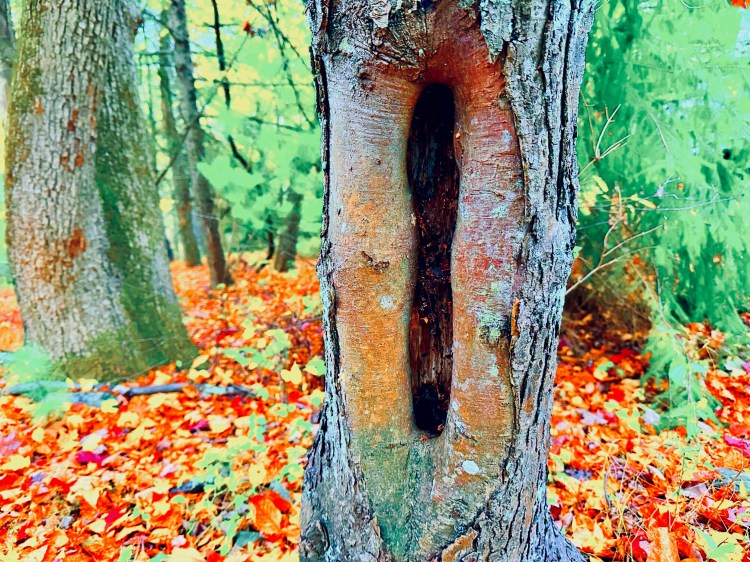
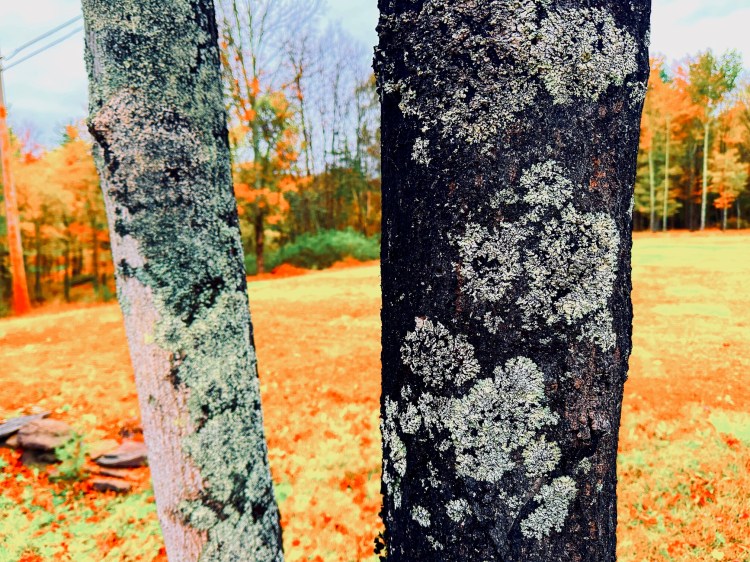
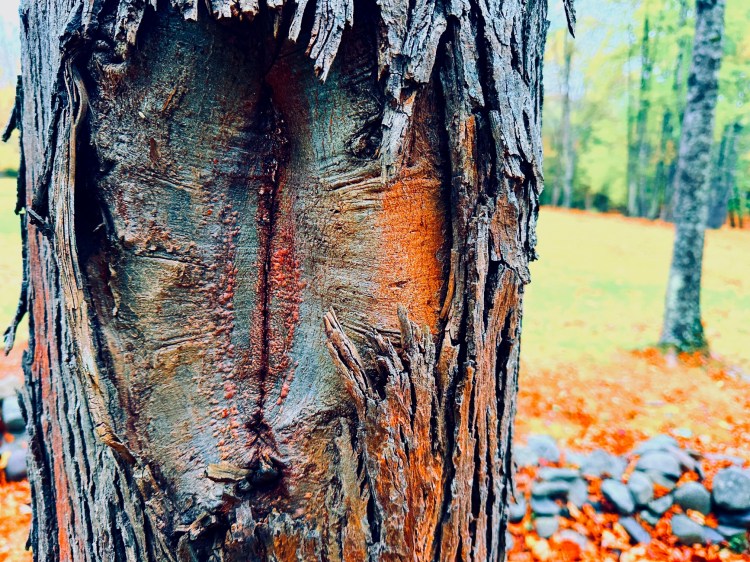

 holly troy ~ sacred folly