
forbidden words: clean power
clean power
Clean power is energy generated through methods that minimize environmental harm, aligning human needs with ecological balance for a sustainable future.
. . . Our planet continuously cycles energy through its atmosphere, oceans, and crust. Clean power systems are designed to intercept these flows in ways that leave minimal environmental footprints. Solar panels convert sunlight directly into electricity, while wind turbines transform the kinetic energy of moving air into usable power.
Hydroelectric dams capture the force of flowing water, and geothermal plants draw heat from the Earth’s interior. These methods stand in stark contrast to burning fossil fuels, which release greenhouse gases that trap heat and alter our climate.
Clean power redirects our energy reliance to Earth’s constant natural cycles, reducing environmental harm.
Understanding clean power begins with recognizing its fundamental sources.
- Solar energy → Sunlight converted into electricity or heat.
- Wind energy → Air movement captured by turbines to generate electricity.
- Hydroelectric energy → Flowing water channeled through turbines.
- Geothermal energy → Heat from within the Earth’s crust.
- Biomass energy → Organic matter converted into fuel or electricity, with careful consideration for sustainable sourcing.
from — Directory, S. (2025, September 2). Clean power → Term. Lifestyle → Sustainability Directory.
~ ~ ~
Clean power encompasses renewable resources that don’t emit greenhouse gases or other emissions, including wind, solar, hydropower, and geothermal.
Clean power is increasingly being paired with energy storage.
from — Acp. (2025, December 5). Clean Power Facts and Statistics | ACP. ACP.
~ ~ ~
The Clean Power Plan
The Clean Power Plan was an Obama administration policy aimed at combating climate change that was first proposed by the Environmental Protection Agency (EPA) in June 2014.[1] The final version of the plan was unveiled by President Barack Obama on August 3, 2015.[2] Each state was assigned a target for reducing carbon emissions within its borders, which could be accomplished how the states saw fit, but with the possibility of the EPA stepping in if a state refused to submit a plan.[3] If every state met its target, the plan was projected to reduce carbon emissions from electricity generation by 32 percent relative to 2005 levels by 2030, and would have reduced other harmful air pollution as well.[4]
In March 2017, President Donald Trump signed an executive order mandating that the EPA review the plan.[5][6][7] In June 2017, he withdrew the U.S. from the Paris Climate Agreement, and on October 9, Trump-appointed EPA administrator Scott Pruitt announced the formal process to repeal the Clean Power Plan would begin on October 10, 2017.[8]
In May 2019, EPA Administrator Andrew Wheeler announced plans to change the way the EPA calculates health risks of air pollution, saying the change was intended to rectify inconsistencies in the current cost-benefit analyses used by the agency. This became the Affordable Clean Energy rule.[9] On June 19, 2019, the EPA issued the final Affordable Clean Energy rule (ACE), which replaced the Clean Power Plan. On January 19, 2021, the last full day of the Trump administration, the D.C. Circuit vacated the Affordable Clean Energy rule and remanded to the EPA for further proceedings consistent with its opinion. The court characterized the ACE as a “fundamental misconstruction” of environmental laws. The ruling did not reinstate the Clean Power Plan; however, it did create the opportunity for the Biden administration to improve and clarify the rules.[10][11]
In 2022, in the case West Virginia v. EPA, the U.S. Supreme Court curbed the EPA’s ability to broadly regulate carbon emissions from existing power plants as was done in the Clean Power Plan. The Clean Power Plan was no longer in place, but if it had been, the ruling would have struck it down.[12]
In 2024, the Biden Administration issued a suite of rules called the Greenhouse Gas Standards and Guidelines for Fossil Fuel-Fired Power Plants, sometimes called the “Clean Power Plan 2.0”, to replace the Clean Power Plan and ACE.[13]
Aims
The final version of the plan aimed to reduce carbon dioxide emissions from electrical power generation by 32 percent by 2030 relative to 2005 levels.[4] The plan focused on reducing emissions from coal-burning power plants and increasing the use of renewable energy and promoting energy conservation.[14] White House officials also hoped the plan would help persuade other countries that emit large amounts of carbon dioxide to officially pledge to reduce their emissions at the 2015 United Nations Climate Change Conference.[15]
Although the plan did not go into effect, its emissions reduction goal was met 11 years early in 2019 due to increasing energy efficiency, construction of wind and solar power, and changes in energy market prices that resulted in shifting from coal to natural gas.[16][17]
Requirements
The plan would have required each state to meet specific standards with respect to reduction of carbon dioxide emissions from power plants and to submit emissions reductions plans by September 2016.[18] States could coordinate with other states to develop multi-state plans.[19] The EPA divided the country into three regions based on connected regional electricity grids to determine a state’s goal.[20]
States were not told the means they had to use to meet the target, but if a state had not submitted a plan by the deadline, the EPA could have imposed its own plan on that state.[21] States could implement their plans by focusing on three building blocks: increasing the generation efficiency of existing fossil fuel plants, substituting natural gas generation for coal-powered generation, and substituting generation renewable sources for fossil fuel-powered generation.[19]
Benefits
The EPA estimated the Clean Power Plan would have reduced the pollutants that contribute to smog and soot by 25 percent, leading to 140,000 to 150,000 fewer asthma attacks among children and 2,700 to 6,600 fewer premature deaths. Net climate and health benefits were estimated between $25 billion and $45 billion per year beginning in 2030.[22] The average American family would have saved an estimated $85 per year in energy bills in 2030, with a total savings for consumers projected at $155 billion from 2020 to 2030. Enough energy would have been conserved to power 30 million homes and 30 percent more renewable energy would have been generated annually by 2030, with hundreds of thousands of jobs created.[23][24]
Reduced CO2 emissions

According to the Energy Information Administration (EIA), coal in 2015 in the United States produced 1,364,000,000 metric tons of CO2. This amounted to 71% of CO2 emissions from the electric power sector.[25] By switching this coal generation to a cleaner source such as wind power, CO2 emissions could be significantly reduced. According to the League of Conservation Voters, in 2015, the Clean Power Plan “established the first national limits on carbon pollution from existing power plants—our nation’s single largest source of the pollution fueling climate change” and was “the biggest step” the United States had “ever taken to address climate change.”[26]
The Clean Power Plan was one of the first major initiatives in the world to curb internal greenhouse gas emissions. The Paris Agreement was agreed upon in October 2016 and entered into force in November 2016. It aims to keep global temperature rise this century “well below” 2 degrees Celsius and to pursue efforts to limit the temperature increase to 1.5 degrees Celsius.[27] In order to enact the plan, 194 UNFCCC member nations have signed the treaty, 172 of which have ratified it.[27]
The poorest, most underdeveloped nations emit the lowest levels of carbon dioxide and greenhouse gasses. According to the World Bank, greenhouse gas emissions from large nations such as the U.S. and China disproportionately affect developing nations that don’t have the infrastructure to combat climate change-induced drought, famine, and other natural and anthropogenic disasters.[28]
Economic environmental justice for households
The economic impact of the Clean Power Plan (CPP), not including the impact on employment, can be measured by many variables including its impact on electricity prices and health expenditures. In four major studies conducted on the economic impact of the CPP, findings varied widely due to the assumptions made and the variables analyzed. Ultimately, the effect of the CPP on households is most influenced by how states decide to meet their emissions goals, allocate the revenue generated by the carbon tax, and collaborate with other states.[29][30]
Data on the economic impact of the Clean Power Plan on electricity prices relies heavily on four studies conducted separately by Synapse Energy Economics, M.J. Bradley & Associates, NERA Economic Consulting, and the U.S. Environmental Protection Agency (EPA). Synapse Energy Economics relied on assumptions from a 2012 U.S. Department of Energy (DOE) study on future potential of energy and reported findings indicating that the CPP will decrease the cost of electricity. M.J. Bradley & Associates rely on data from National Renewable Energy Laboratory (NREL) and reported generally optimistic findings, with large decreases in costs due to the CPP. NERA Economic Consulting, funded by coal lobbyists,[31] relied on U.S. Energy Information Administration (EIA) data with pessimistic assumptions, resulting in pessimistic findings stating that some states may even face double-digit price increases.[32] The EPA drew from the NREL for data and made middle-ground assumptions, ultimately reporting findings that are similarly “middle-ground” compared with other studies. The ability to measure and determine the impact on at-risk communities is confounded by these varying conclusions.[33]
Differences between states aside, three key at-risk groups are lower-income communities, higher-income communities, and coal miner communities. Lower-income households may disproportionately experience increases in expenditures due to a large share of their consumption falling into the energy-intensive category, including products and services like electricity, heating, and gasoline. However, lower-income communities are also likely to benefit from increased air quality, and therefore decreased health care expenditures. In order to combat any negative impact of the CPP, states may choose to allocate roughly 10% of their carbon pricing revenue to protect low-income communities. Higher-income communities may be disproportionately affected by the CPP because of decreased income levels, due to greater dependence on capital income, rather than wages. Coal miners, making up 0.057% of the total U.S. employment, may be disproportionately affected by the CPP due to potential layoffs in the coal industry. In contrast, coal miners disproportionately benefit from increased clean air and decreased health expenditures. Just one to five percent of the revenue generated from a moderate carbon price would offset any detriment to coal miner communities.[30]
Health impact
According to a 2017 analysis of the Energy Innovation’s Energy Policy Simulator, a repeal of the Clean Power Plan would lead to an increase in carbon dioxide emissions of more than 500 million metric tons by 2030, and by 2050, that figure would rise to more than 1,200 million metric tons.[34]
Furthermore, the EPA’s proximity analysis concludes that a higher percentage of minority and low-income communities live near power plants when compared to the national averages, increasing risk of disease and death due to toxic particulate matter emissions and air pollution.[35]

The EPA has determined that greenhouse gas pollution causes global temperature warming, leading to harmful changes to the environment and human health globally such as increased drought and increased famine due to decrease in water supply and agricultural production. According to the EPA fact sheet on the Clean Power Plan, climate change is responsible for everything from stronger storms to longer droughts and increased insurance premiums, food prices and allergy seasons.[29] The populations most vulnerable to the adverse effects of climate change include children, older adults, people with heart or lung disease and people living in poverty.[29] The repeal of the Clean Power Plan will increase greenhouse gas emissions, expediting the damaging environmental changes due to climate change that disproportionately affect subaltern populations around the globe.[34]
Employment and community engagement impact
As aforementioned, a major part of the Clean Power Plan’s mission is to regulate and reduce greenhouse gas emissions from industry.[29][36] Opponents of the Clean Power Plan have stated that the attempt in reducing these emissions is also going to be reducing the number of jobs in the United States because of the shrinkage in the industry sector. More specifically,[36] there will be a 19% reduction in the iron and steel production, 21% reduction in cement production, and 11% in refining production. On the other hand, those who argue favorably for the Clean Power Plan have addressed the employment concerns of critics of the Clean Power Plan. While jobs will be decreasing in the industrial sector, there has also been an increase nationwide[37] in the solar sector, wind sector, and energy efficient sector.
While some[who?] are skeptical of the Clean Power Plan because of its job loss in the industrial sector, the EPA has made clear that in order for the Clean Energy Plan to be effective community engagement [29] is essential, particularly low income, minority and tribal communities. To ensure opportunities in communities, the EPA is requiring all states demonstrate how they are actively engaging with communities. The EPA has created a Clean Energy Incentive Plan[29] that will reward communities who invest in wind and solar generations; the premise is to increase demand for energy efficient programs in low-income communities. In addition to incentivizing public engagement, they will also be testing air quality evaluations and providing demographic information in order to gauge the impact of air pollution on communities who are located near power plants.[29]
2015 announcement
President Obama announced the plan in a speech given at the White House on August 3, 2015. In his announcement, Obama stated that the plan includes the first standards on carbon dioxide emissions from power plants ever proposed by the Environmental Protection Agency.[38] He also called the plan “the single most important step that America has ever made in the fight against global climate change.”[38]
Obama called his plan “a moral obligation” and made reference to the encyclical Laudato si’ by Pope Francis.[39]
The policy has been described as “[Obama’s] most ambitious climate policy to date.”[21] In response to Obama’s 2015 announcement, hundreds of businesses voiced support for the plan, including eBay, Nestlé, and General Mills.[40] To show support for the Clean Power Plan, 360 other companies and investors sent letters to their governors. The companies and investors signing the letter represent all 50 states.[41] In 2016, 2/3 of electric utilities supported the plan.[42]
The 460-page rule (RIN 2060–AR33) titled “Carbon Pollution Emission Guidelines for Existing Stationary Sources: Electric Utility Generating Units” was published in the Federal Register on October 23, 2015.[43]
Congressional challenge
In October 2015, Republican Senator Shelley Moore Capito of West Virginia introduced Senate Joint Resolution 24 (S. J. Res. 24), a “Resolution of Disapproval” under the Congressional Review Act, which would have permanently blocked the Clean Power Plan and prohibited the EPA from developing “substantially similar” standards. S. J. Res. 24 was approved by the Senate on November 17 by a vote of 52–46 and by the House on December 1 by a vote of 242–180. Obama vetoed the resolution on December 18. According to the League of Conservation Voters, the resolution was “an extreme measure…threatening our health and our future.”[26][44][45][46] The votes on the resolution were considered key votes by the League and Americans for Prosperity (AFP) Congressional scorecards. AFP said the Clean Power Plan would have a “devastating effect on the economy” and that the resolution would send a “clear signal to the Paris climate negotiators that President Obama’s expansive green energy agenda does not have support on Capitol Hill.”[47]
Court challenge
In the June 18, 2014, proposed rule, EPA argued that because the 1990 Clean Air Act Amendment is ambiguous, EPA’s interpretation is entitled to judicial deference.[48] EPA found the statute to be ambiguous because the language in the United States Code is from a May 23, 1990, House amendment that conflicts with a never codified April 3 Senate conforming amendment.[49]
After the U.S. Supreme Court in King v. Burwell upheld the Affordable Care Act on June 25, 2015, however, the EPA adopted a more aggressive statutory interpretation.[48] In the final rule announced on August 3, the EPA argued that the Senate’s language unambiguously allows it to regulate, while the House language in the U.S. Code should be ignored because it is unreasonable under the Clean Air Act’s “comprehensive scheme”.[48]
Opponents immediately declared the Plan was illegal, attempting to sue before the agency finalized the rule.[50] Only ten days after the EPA announced the final rule, twenty-seven states petitioned the United States Court of Appeals for the District of Columbia Circuit for an emergency stay.[48] Peabody Energy hired Laurence Tribe, President Obama’s mentor at Harvard Law School, to author a brief which was later acclaimed on the Senate floor.[51] Tribe would go on to testify before the House Energy and Commerce Committee that the EPA’s energy policy was “burning the Constitution.”[52]
Challengers argue that EPA overstepped its legal authority in issuing the CPP, in regards to the power plants covered by the plan, and that the scope of the “building blocks” for action goes beyond standards applied to specific electric generating units, as called for by the Clean Air Act.[53] Eighteen states (California, Connecticut, Delaware, Hawaii, Illinois, Iowa, Maine, Maryland, Massachusetts, Minnesota, New Hampshire, New Mexico, New York, Oregon, Rhode Island, Vermont, Virginia and Washington) have joined the litigation in support of the EPA’s plan.[54]
Enforcement halt by Supreme Court
On February 9, 2016, the United States Supreme Court ordered the EPA to halt enforcement of the plan until a lower court rules in the lawsuit against the plan.[55][clarification needed] The 5–4 vote was the first time the Supreme Court had ever stayed a regulation before a judgment by the lower Court of Appeals.[56]
As of July 2016, several states – including Republican-held ones such as Wyoming, South Carolina, Virginia, Arizona, Idaho, and New Jersey – are moving forward to meet the Plan’s requirements although sometimes indirectly, regardless of open opposition.[57]
D.C. Circuit Court hears argument
On September 27, 2016, the case against the CPP was heard in the United States Court of Appeals for the District of Columbia Circuit. The chief judge of the court, Merrick B. Garland, recused himself, as he was also President Obama’s US Supreme Court nominee.[58]
The argument has sparked debate about both the constitutionality and the political effects of the Clean Power Plan. The New York Times Editorial Board published an editorial arguing that the D.C. Circuit should uphold the plan.[59]
In August 2017, the U.S. Court of Appeals for the District of Columbia Circuit granted the EPA an additional 60 days to review the CPP and submit their position to the court, before continuing the process to settle the case about the legality of the CPP.[7]
Proposed actions under President Trump
President Donald Trump‘s proposed 2018 United States federal budget defunded the Clean Power Plan.[60] On March 28, 2017, President Trump signed an executive order directing EPA Administrator Scott Pruitt to review the Clean Power Plan.[61] EPA will need to go through the formal rulemaking process to change the existing rule,[62] and in 2007, the U.S. Supreme Court ruled in the case Massachusetts v. Environmental Protection Agency that EPA regulation of carbon dioxide is actually required by the Clean Air Act, which is still in effect. Trump explained this decision calling the Clean Power Plan a “job-killing regulation” which some see as false, saying “the potential for job growth in the clean energy sector dwarfs any potential job growth in the fossil fuel economy”.[63]
Opposition argues that with the repeal of the Clean Power Plan, the United States will not be able to meet the greenhouse gas emission standards agreed to under the Paris Agreement, and in turn, will have to withdraw from the agreement. Without it, the United States is projected to fall over 20% short of its pledge.[64] Because the Clean Power Plan was a significant part of how the United States intended to meet the emission targets it set for the Paris Agreement, this action may discourage other countries from upholding their own commitments.[65] Janet McCabe, an Obama Administration EPA department head, stated that the decision completely disregards the impacts of climate and the cost and benefits associated with the started programs. According to her it will lead to several more years of uncertainty and potentially lost opportunity as well as a worsening public image of the United States internationally. However she is hopeful that the decision’s impact on the industry’s direction toward a cleaner energy system won’t be severe as several states already meet the 2022 target carbon dioxide emissions established in the Clean Power Plan.[66]
On June 1, 2017, Donald Trump announced United States withdrawal from the Paris Agreement, but a number of U.S. states formed the United States Climate Alliance to maintain within state borders the objectives of the Clean Power Plan separately from the federal government.
Attempted replacement with Affordable Clean Energy rule
On October 4, 2017, an EPA document obtained by Reuters revealed that the EPA was planning to repeal the Clean Power Plan.[67] A list of potential alternatives to the Clean Power Plan following public discussion were leaked to Bloomberg News on October 6.[68] Likewise, The Washington Post and CNN reported that the EPA would repeal the plan and limit the alternatives to advice for local utilities on October 10.[69][70][71] Then-EPA Administrator Scott Pruitt signed a proposed rule to repeal the Clean Power Plan on that day.[72] New York’s and Massachusetts’ attorneys general planned to sue the EPA over the repeal.[73] The EPA held a hearing, titled, “Proposal to Repeal the Clean Power Plan”, on Nov. 28–29, 2017 in Charleston, West Virginia.[74] The hearing was live-streamed from the West Virginia capitol building, where it was held.
In May 2019, Administrator Andrew Wheeler announced plans to change the way the EPA calculates health risks of air pollution, resulting in the reporting of far fewer health-related deaths and making it easier to roll back the Clean Power Plan. The Trump administration has argued that the Obama administration over-estimated the health risks for various environmental regulations, to the detriment of industry. Administrator Wheeler defended the change as a way to rectify inconsistencies in the current cost-benefit analyses used by the agency. The new plan will be known as the Affordable Clean Energy (ACE) rule. The planned changes were hailed by industry representatives.[9]
Environmentalists are fighting the administration’s power plant regulation rollbacks. In April 2020, several environmental groups and twenty-two states filed their first legal briefs in an attempt to fight the administration’s attempt to loosen emission standards. Environmentalists are concerned that the new ACE standards are so limited in the pollution controls it requires power producers to install that it could hamstring future administrations from addressing climate-altering pollution.[75]
On January 19, 2021, the federal D.C. Circuit ruled the Affordable Clean Energy rule violated the Clean Air Act, leaving the administration of incoming President Joe Biden to make a rule from scratch.[76]
Supreme Court challenge
Several states and energy companies petitioned to the Supreme Court on the basis of the D.C. Circuit ruling to challenge fundamental aspects of the power granted by Congress to the EPA to regulate emissions. The Supreme Court granted certiorari to four petitions in October 2021, consolidated under West Virginia v. EPA, heard during the 2021–22 term.[77] On June 30, 2022, in a 6–3 decision, the Supreme Court ruled against the EPA, holding that “Congress did not grant EPA…the authority to devise emissions caps based on the generation shifting approach the Agency took in the Clean Power Plan” and that “Under this body of law, known as the major questions doctrine, given both separation of powers principles and a practical understanding of legislative intent, the agency must point to ‘clear congressional authorization’ for the authority it claims.”[78]
from — Wikipedia contributors. (2025b, November 18). Clean Power Plan. Wikipedia.
~ ~ ~
FACT SHEET: Overview of the Clean Power Plan
CUTTING CARBON POLLUTION FROM POWER PLANTS
On August 3, 2015, President Obama and EPA announced the Clean Power Plan – a historic and important step in reducing carbon pollution from power plants that takes real action on climate change. Shaped by years of unprecedented outreach and public engagement, the final Clean Power Plan is fair, flexible and designed to strengthen the fast-growing trend toward cleaner and lower-polluting American energy. With strong but achievable standards for power plants, and customized goals for states to cut the carbon pollution that is driving climate change, the Clean Power Plan provides national consistency, accountability and a level playing field while reflecting each state’s energy mix. It also shows the world that the United States is committed to leading global efforts to address climate change.
What is the Clean Power Plan?
- The Clean Power Plan will reduce carbon pollution from power plants, the nation’s largest source, while maintaining energy reliability and affordability. Also on August 3, EPA issued final Carbon Pollution Standards for new, modified, and reconstructed power plants, and proposed a Federal Plan and model rule to assist states in implementing the Clean Power Plan.
- These are the first-ever national standards that address carbon pollution from power plants.
- The Clean Power Plan cuts significant amounts of power plant carbon pollution and the pollutants that cause the soot and smog that harm health, while advancing clean energy innovation, development and deployment, and laying the foundation for the long-term strategy needed to tackle the threat of climate change. By providing states and utilities ample flexibility and the time needed to achieve these pollution cuts, the Clean Power Plan offers the power sector the ability to optimize pollution reductions while maintaining a reliable and affordable supply of electricity for ratepayers and businesses.
- Fossil fuels will continue to be a critical component of America’s energy future. The Clean Power Plan simply makes sure that fossil fuel-fired power plants will operate more cleanly and efficiently, while expanding the capacity for zero- and low-emitting power sources.
- The final rule is the result of unprecedented outreach to states, tribes, utilities, stakeholders and the public, including more than 4.3 million comments EPA received on the proposed rule. The final Clean Power Plan reflects that input, and gives states and utilities time to preserve ample, reliable and affordable power for all Americans.
Why we Need the Clean Power Plan
- In 2009, EPA determined that greenhouse gas pollution threatens Americans’ health and welfare by leading to long-lasting changes in our climate that can have a range of negative effects on human health and the environment. Carbon dioxide (CO2) is the most prevalent greenhouse gas pollutant, accounting for nearly three-quarters of global greenhouse gas emissions and 82 percent of U.S. greenhouse gas emissions.
- Climate change is one of the greatest environmental and public health challenges we face. Climate impacts affect all Americans’ lives – from stronger storms to longer droughts and increased insurance premiums, food prices and allergy seasons.
- 2014 was the hottest year in recorded history, and 14 of the 15 warmest years on record have all occurred in the first 15 years of this century. Recorded temperatures in the first half of 2015 were also warmer than normal.
- Overwhelmingly, the best scientists in the world, relying on troves of data and millions of measurements collected over the course of decades on land, in air and water, at sea and from space, are telling us that our activities are causing climate change.
- The most vulnerable among us – including children, older adults, people with heart or lung disease and people living in poverty – may be most at risk from the impacts of climate change.
- Fossil fuel-fired power plants are by far the largest source of U.S. CO2 emissions, making up 31 percent of U.S. total greenhouse gas emissions.
- Taking action now is critical. Reducing CO2 emissions from power plants, and driving investment in clean energy technologies strategies that do so, is an essential step in lessening the impacts of climate change and providing a more certain future for our health, our environment, and future generations.
Benefits of Implementing the Clean Power Plan
- The transition to clean energy is happening faster than anticipated. This means carbon and air pollution are already decreasing, improving public health each and every year.
- The Clean Power Plan accelerates this momentum, putting us on pace to cut this dangerous pollution to historically low levels in the future.
- When the Clean Power Plan is fully in place in 2030, carbon pollution from the power sector will be 32 percent below 2005 levels, securing progress and making sure it continues.
- The transition to cleaner sources of energy will better protect Americans from other harmful air pollution, too. By 2030, emissions of sulfur dioxide from power plants will be 90 percent lower compared to 2005 levels, and emissions of nitrogen oxides will be 72 percent lower. Because these pollutants can create dangerous soot and smog, the historically low levels mean we will avoid thousands of premature deaths and have thousands fewer asthma attacks and hospitalizations in 2030 and every year beyond.
- Within this larger context, the Clean Power Plan itself is projected to contribute significant pollution reductions, resulting in important benefits, including:
- Climate benefits of $20 billion
- Health benefits of $14-$34 billion
- Net benefits of $26-$45 billion
- Because carbon pollution comes packaged with other dangerous air pollutants, the Clean Power Plan will also protect public health, avoiding each year:
- 3,600 premature deaths
- 1,700 heart attacks
- 90,000 asthma attacks
- 300,000 missed work days and school days
How the Clean Power Plan Works
- The Clean Air Act – under section 111(d) – creates a partnership between EPA, states, tribes and U.S. territories – with EPA setting a goal and states and tribes choosing how they will meet it.
- The final Clean Power Plan follows that approach. EPA is establishing interim and final carbon dioxide (CO2) emission performance rates for two subcategories of fossil fuel-fired electric generating units (EGUs):
- Fossil fuel-fired electric steam generating units (generally, coal- and oil-fired power plants)
- Natural gas-fired combined cycle generating units
- To maximize the range of choices available to states in implementing the standards and to utilities in meeting them, EPA is establishing interim and final statewide goals in three forms:
- A rate-based state goal measured in pounds per megawatt hour (lb/MWh);
- A mass-based state goal measured in total short tons of CO2;
- A mass-based state goal with a new source complement measured in total short tons of CO2.
- States then develop and implement plans that ensure that the power plants in their state – either individually, together or in combination with other measures – achieve the interim CO2 emissions performance rates over the period of 2022 to 2029 and the final CO2 emission performance rates, rate-based goals or mass-based goals by 2030.
- These final guidelines are consistent with the law and align with the approach that Congress and EPA have always taken to regulate emissions from this and all other industrial sectors – setting source-level, source category-wide standards that sources can meet through a variety of technologies and measures.
How EPA Determined Emission Performance Rates
- Under section 111(d) of the Clean Air Act, EPA determines the best system of emissions reduction (BSER) that has been demonstrated for a particular pollutant and a particular group of sources by examining technologies and measures already being used.
- Consistent with previous BSER determinations in 111(d) rulemakings, the agency considered the types of strategies, technologies and measures that states and utilities are already using to reduce CO2 from fossil fuel-fired power plants.
- In the final Clean Power Plan, EPA determined that BSER consists of three building blocks:
- Building Block 1 – reducing the carbon intensity of electricity generation by improving the heat rate of existing coal-fired power plants.
- Building Block 2 -substituting increased electricity generation from lower-emitting existing natural gas plants for reduced generation from higher-emitting coal-fired power plants.
- Building Block 3 – substituting increased electricity generation from new zero-emitting renewable energy sources (like wind and solar) for reduced generation from existing coal-fired power plants.
- In determining the BSER, EPA considered the ranges of reductions that can be achieved at coal, oil and gas plants at a reasonable cost by application of each building block, taking into account how quickly and to what extent the measures encompassed by the building blocks could be used to reduce emissions.
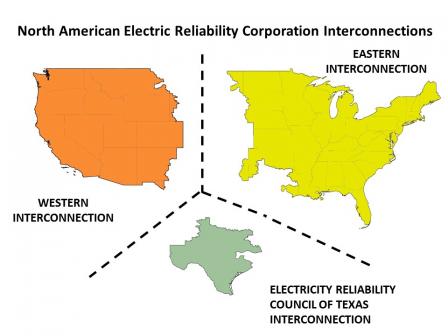 In assessing the BSER, EPA recognized that power plants operate through broad interconnected regional grids that determine the generation and distribution of power, and thus the agency based its analysis on the three established regional electricity interconnects: the Western interconnection, the Eastern interconnection and the Electricity Reliability Council of Texas interconnection.
- EPA applied the building blocks to all of the coal plants and all of the natural gas power plants in each region to produce regional emission performance rates for each category.
- From the three resulting regional coal plant rates, and the three regional natural gas power plant rates, EPA chose the most readily achievable rate for each category to arrive at equitable CO2 emission performance rates for the country that represent the best system of emission reductions.
- The same CO2 emission performance rates were then applied to all affected sources in each state to arrive at individual statewide rate-based and mass-based goals. Each state has a different goal based upon its own particular mix of affected sources.
- The agency is setting emission performance standards for tribes with affected EGUs—Navajo, Fort Mojave, and Ute (Uintah and Ouray). At this time, EPA is not setting CO2 emission performance goals for Alaska, Hawaii, Guam or Puerto Rico so that the agency can continue to collect data that can form the basis of standards for power plants there in the future.
State Plans
- The final Clean Power Plan provides guidelines for the development, submittal and implementation of state plans that establish standards of performance or other measures for affected EGUs in order to implement the interim and final CO2 emission performance rates.
- States must develop and implement plans that ensure the power plants in their state – either individually, together, or in combination with other measures – achieve the equivalent, in terms of either or rate or mass, of the interim CO2 performance rates between 2022 and 2029, and the final CO2 emission performance rates for their state by 2030.
- States may choose between two plan types to meet their goals:
- Emission standards plan– includes source-specific requirements ensuring all affected power plants within the state meet their required emissions performance rates or state-specific rate-based or mass-based goal.
- State measures plan– includes a mixture of measures implemented by the state, such as renewable energy standards and programs to improve residential energy efficiency that are not included as federally enforceable components of the plan. The plan may also include federally enforceable source-specific requirements. The state measures, alone or in conjunction with federally enforceable requirements, must result in affected power plants meeting the state’s mass-based goal. The plan must also include a backstop of federally enforceable standards on affected power plants that fully meet the emission guidelines and that would be triggered if the state measures fail to result in the affected plants achieving the required emissions reductions on schedule. States may use the final model rule, which EPA proposed on August 3, for their backstop.
- In developing its plan, each state will have the flexibility to select the measures it prefers in order to achieve the CO2 emission performance rates for its affected plants or meet the equivalent statewide rate- or mass-based CO2 goal. States will also have the ability to shape their own emissions reduction pathways over the 2022-29 period.
- The final rule also gives states the option to work with other states on multi-state approaches, including emissions trading, that allow their power plants to integrate their interconnected operations within their operating systems and their opportunities to address carbon pollution.
- The flexibility of the rule allows states to reduce costs to consumers, minimize stranded assets and spur private investments in renewable energy and energy efficiency technologies and businesses.
- States can tailor their plans to meet their respective energy, environmental and economic needs and goals, and those of their local communities by:
- relying on a diverse set of energy resources;
- protecting electric system reliability;
- providing affordable electricity; and
- recognizing investments that states and power companies are already making.
Emissions Trading
- One cost-effective way that states can meet their goals is emissions trading, through which affected power plants may meet their emission standards via emission rate credits (for a rate-based standard) or allowances (for a mass-based standard).
- Trading is a proven approach to address pollution and provides states and affected plants with another mechanism to achieve their emission standards. Emission trading is a market-based policy tool that creates a financial incentive to reduce emissions where the costs of doing so are the lowest and clean energy investment enjoys the highest leverage.
- Market-based approaches are generally recognized as having the following benefits:
- Reduce the cost of compliance
- Create incentives for early reduction
- Create incentives for emission reductions beyond those required
- Promote innovation, and
- Increase flexibility and ensure reliability
- In addition to including mass-based state goals to clear the path for mass-based trading plans, the final rule gives states the opportunity to design state rate-based or mass-based plans that will make their units “trading ready,” allowing individual power plants to use out-of-state reductions – in the form of credits or allowances, depending on the plan type – to achieve required CO2 reductions, without the need for up-front interstate agreements.
- EPA is committed to supporting states in the tracking of emissions, as well as tracking allowances and credits, to help implement multi-state trading or other approaches.
Reliability Assurance
- The final rule has several features that reflect EPA’s commitment to ensuring that compliance with the final rule does not interfere with the industry’s ability to maintain the reliability of the nation’s electricity supply:
- A long compliance period, and phased-in reduction requirements, providing sufficient time and flexibility for the planning and investment needed to maintain system reliability.
- A basic design that allows states and affected EGUs flexibility to include a large variety of approaches and measures to achieve the environmental goals in a way that is tailored to each state’s and utility’s energy resources and policies, including trading within and between states, and other multi-state approaches that support electric system reliability.
- A requirement that each state demonstrate in its final plan that it has considered reliability issues in developing its plan.
- A mechanism for a state to seek a revision to its plan in case unanticipated or significant reliability challenges arise.
- A reliability safety valve to address situations where, in the wake of an unanticipated event or other extraordinary circumstances, an affected power plant must provide reliability-critical generation notwithstanding CO2 emissions constraints that would otherwise apply.
- In addition to the measures outlined in the rule EPA, the Department of Energy (DOE) and the Federal Energy Regulatory Commission (FERC) are coordinating efforts to monitor the implementation of the final rule to help preserve continued reliable electricity generation and transmission.
State Plan Timing
- States will be required to submit a final plan, or an initial submittal with an extension request, by September 6, 2016.
- Final complete state plans must be submitted no later than September 6, 2018.
- The final rule provides 15 years for full implementation of all emission reduction measures, with incremental steps for planning and demonstration that will ensure progress is being made in achieving CO2 emission reductions.
- Each state plan must include provisions that will allow the state to demonstrate that the plan is making progress toward meeting the 2030 goal. The Clean Power Plan offers several options for states to show their progress for meeting interim CO2 emission performance rates or state CO2 emission interim step goals.
- In addition to offering three multi-year “step down” goals within the interim period, the final rule also allows states to apply measures in a gradual way that that they determine is the most cost-effective and feasible.
- During the interim period states are required periodically to compare emission levels achieved by their affected power plants with emission levels projected in the state plan and report results to EPA.
Helping Communities Benefit from Clean Energy
- The Clean Power Plan gives states the opportunity to ensure that communities share in the benefits of a clean energy economy, including energy efficiency and renewable energy.
- EPA is creating a Clean Energy Incentive Program (CEIP) to reward early investments in wind and solar generation, as well as demand-side energy efficiency programs implemented in low-income communities, that deliver results during 2020 and/or 2021.
- Through this program, EPA intends to make allowances or emission rate credits (ERCs) available to states that incentivize these investments. EPA is providing additional incentives to encourage energy efficiency investments in low-income communities.
Community Involvement and Environmental Justice
- The final rule reflects two years of unprecedented outreach and engagement with stakeholders and the public, and incorporates changes directly responsive to stakeholders’ critical concerns and priorities.
- Public engagement was essential throughout the development of the Clean Power Plan, and EPA will continue to engage with communities and the public now that the rule is final.
- To ensure opportunities for communities – particularly low-income communities, minority communities and tribal communities – to continue to participate in decision making, EPA is requiring that states demonstrate how they are actively engaging with communities as part of their public participation process in the formulation of state plans.
- The requirement for meaningful engagement within state plans will provide an avenue for all communities to both hear from the state about strategies that might work best to tackle climate pollution, and to provide input on where possible impacts to low-income communities, minority communities, and tribal communities could occur along with strategies to mitigate those impacts.
- The final rule includes information on communities living near power plants, and EPA will provide additional information to facilitate engagement between communities and states as implementation of the Clean Power Plan moves forward. For example, the agency will provide guidance on strategies states can use to meaningfully engage with communities, along with other resources and information, on a portal web page the agency will develop for communities’ use.
- As implementation of the Clean Power Plan goes forward, the agency will conduct air quality evaluations to determine impacts that state plans may have on vulnerable communities. EPA encourages states to conduct analyses to help states, communities and utilities understand the potential localized and community impacts of state plans.
- To help with these analyses, EPA will ensure emissions data is available and easily accessed through the Clean Power Plan Communities Portal web page. The agency also will provide demographic information and other data, along with examples analyses that states have conducted to assess the impact of other rules.
from — FACT SHEET: Overview of the Clean Power Plan | Clean Power Plan | US EPA. (n.d.).
January 12th, 2025
Hudson Valley, New York
This is one of the words/ phrases you can’t say in the new Trump Regime. See a comprehensive list at the Forbidden Words Project.
image: winter mushroom © Holly Troy 2026
The White House has said it did not create a banned words list but has instead left it to federal agencies to interpret how to comply with executive orders that solely recognize male and female sex or eliminate diversity, equity, and inclusion programs. Nonetheless, some departments have added terms that seem to have nothing at all to do with those executive orders.
from — Connelly, E. A. (2025, December 22). Federal Government’s Growing Banned Words List Is Chilling Act of Censorship. PEN America.
Discover more from holly troy ~ sacred folly
Subscribe to get the latest posts sent to your email.
 holly troy ~ sacred folly
Clean power’s so much / better than dirty power; / too much of that now
LikeLiked by 1 person