forbidden words: clean water
clean water
The USGS defines clean, safe water as “water that will not harm you if you come in contact with it.” When we’re talking about clean water, we are often referring to drinking water, but it is also essential that water for all domestic use is clean. Domestic use of water includes water used indoors and outdoors for activities including:
- Drinking
- Food preparation
- Bathing
- Brushing teeth
- Washing dishes
- Washing clothes
- Cleaning the home
- Watering crops
- Swimming
The Benefits of Clean Water
The science is evident; access to clean water is beneficial for individuals and communities. In part, it impacts health, the economy, the safety of women and girls, and education.
Health impact: One human being dies from dirty water every ten seconds. That means by the time you finish reading this article, 20 people — mostly children — will have lost their lives from waterborne illnesses. These are lives that would be saved if they had access to clean water.
Clean water prevents not only deaths but also severe illnesses that cause painful cramping, diarrhea, vomiting, fevers, and other symptoms. Dirty, unsafe water that’s laden with feces and bacteria leads to waterborne diseases such as cholera, typhoid fever, dysentery, Escherichia coli, and salmonella.
Another health impact of clean water is improved sanitation, which is an effective way to prevent the spread of diseases. But, according to a report by UNICEF and the World Health Organization, 4.5 billion people do not have safely managed sanitation. Imagine washing your fruits and vegetables with dangerous bacteria before you eat them or having to defecate outside. This is the stark reality for far too many people, and this could be eliminated with improved sanitation from access to clean water improving health and hygiene.
Health would also be positively impacted because women and children wouldn’t be walking several hours every day carrying 44-pound jugs of water and their spines and knees over the long-run.
Economic impact: Clean water has a positive economic impact on families and communities.
Clean water means income-earners in the family can continue to work because they don’t get sick or die from waterborne illnesses. Access to clean water also means improved crops from which families earn incomes. Improved agriculture means healthier people, and healthy people can contribute financially to a family and the entire community.
Educational impact:
When children spend time receiving an education in school, instead of collecting water, it opens doors to more opportunities and a brighter future. UNICEF reports that globally, 31% of schools lack adequate sanitation and clean water.
Safety impact:
In a culture where we have the option to stay out of unsafe environments, it’s nearly impossible to fathom putting ourselves in grave danger to get water to drink or go to the bathroom. Women and girls worldwide don’t have that luxury and spend 200 million hours every day looking for water and 266 million hours every day looking for a place to go to the bathroom because they don’t have toilets at home. They risk being attacked or kidnapped every single day. Safety becomes invaluable when clean water systems are available in their communities.
see more at — Healing Waters Media. (2023, December 21). How to define clean water. Healing Waters International.
~ ~ ~
World Health Organization: Drinking-water
Key facts
- In 2021, over 2 billion people live in water-stressed countries, which is expected to be exacerbated in some regions as result of climate change and population growth (1).
- In 2022, globally, at least 1.7 billion people use a drinking water source contaminated with faeces. Microbial contamination of drinking-water as a result of contamination with faeces poses the greatest risk to drinking-water safety.
- Safe and sufficient water facilitates the practice of hygiene, which is a key measure to prevent not only diarrhoeal diseases, but acute respiratory infections and numerous neglected tropical diseases.
- Microbiologically contaminated drinking water can transmit diseases such as diarrhoea, cholera, dysentery, typhoid and polio and is estimated to cause approximately 505 000 diarrhoeal deaths each year.
- In 2022, 73% of the global population (6 billion people) used a safely managed drinking-water service – that is, one located on premises, available when needed, and free from contamination.
Overview
Safe and readily available water is important for public health, whether it is used for drinking, domestic use, food production or recreational purposes. Improved water supply and sanitation, and better management of water resources, can boost countries’ economic growth and can contribute greatly to poverty reduction.
In 2010, the UN General Assembly explicitly recognized the human right to water and sanitation. Everyone has the right to sufficient, continuous, safe, acceptable, physically accessible and affordable water for personal and domestic use.
Drinking-water services
Sustainable Development Goal target 6.1 calls for universal and equitable access to safe and affordable drinking water. The target is tracked with the indicator of “safely managed drinking water services” – drinking water from an improved water source that is located on premises, available when needed, and free from faecal and priority chemical contamination.
In 2022, 6 billion people used safely managed drinking-water services – that is, they used improved water sources located on premises, available when needed, and free from contamination. The remaining 2.2 billion people without safely managed services in 2022 included:
-
1.5 billion people with basic services, meaning an improved water source located within a round trip of 30 minutes;
-
292 million people with limited services, or an improved water source requiring more than 30 minutes to collect water;
-
296 million people taking water from unprotected wells and springs; and
-
115 million people collecting untreated surface water from lakes, ponds, rivers and streams.
Sharp geographic, sociocultural and economic inequalities persist, not only between rural and urban areas but also in towns and cities where people living in low-income, informal or illegal settlements usually have less access to improved sources of drinking-water than other residents.
Water and health
Contaminated water and poor sanitation are linked to transmission of diseases such as cholera, diarrhoea, dysentery, hepatitis A, typhoid and polio. Absent, inadequate, or inappropriately managed water and sanitation services expose individuals to preventable health risks. This is particularly the case in health care facilities where both patients and staff are placed at additional risk of infection and disease when water, sanitation and hygiene services are lacking.
Out of every 100 patients in acute-care hospitals, 7 patients in high-income countries (HICs) and 15 patients in low- and middle-income countries (LMICs) will acquire at least one health care-associated infection during their hospital stay.
Inadequate management of urban, industrial and agricultural wastewater means the drinking-water of hundreds of millions of people is dangerously contaminated or chemically polluted. Natural presence of chemicals, particularly in groundwater, can also be of health significance, including arsenic and fluoride, while other chemicals, such as lead, may be elevated in drinking-water as a result of leaching from water supply components in contact with drinking-water.
Some 1 million people are estimated to die each year from diarrhoea as a result of unsafe drinking-water, sanitation and hand hygiene. Yet diarrhoea is largely preventable, and the deaths of 395 000 children aged under 5 years could be avoided each year if these risk factors were addressed. Where water is not readily available, people may decide handwashing is not a priority, thereby adding to the likelihood of diarrhoea and other diseases.
Diarrhoea is the most widely known disease linked to contaminated food and water but there are other hazards. In 2021, over 251.4 million people required preventative treatment for schistosomiasis – an acute and chronic disease caused by parasitic worms contracted through exposure to infested water.
In many parts of the world, insects that live or breed in water carry and transmit diseases such as dengue fever. Some of these insects, known as vectors, breed in clean, rather than dirty water, and household drinking water containers can serve as breeding grounds. The simple intervention of covering water storage containers can reduce vector breeding and may also reduce faecal contamination of water at the household level.
Economic and social effects
When water comes from improved and more accessible sources, people spend less time and effort physically collecting it, meaning they can be productive in other ways. This can also result in greater personal safety and reducing musculoskeletal disorders by reducing the need to make long or risky journeys to collect and carry water. Better water sources also mean less expenditure on health, as people are less likely to fall ill and incur medical costs and are better able to remain economically productive.
With children particularly at risk from water-related diseases, access to improved sources of water can result in better health, and therefore better school attendance, with positive longer-term consequences for their lives.
Challenges
Historical rates of progress would need to double for the world to achieve universal coverage with basic drinking water services by 2030. To achieve universal safely managed services will require a 6-fold increase. Climate change, increasing water scarcity, population growth, demographic changes and urbanization already pose challenges for water supply systems. Over 2 billion people live in water-stressed countries, which is expected to be exacerbated in some regions as result of climate change and population growth. Re-use of wastewater to recover water, nutrients or energy is becoming an important strategy. Use of wastewater and sludge is widespread globally; however, much is used informally and/or without sufficient treatment and other controls to ensure that human and environmental health is protected. If done appropriately safe use of wastewater and sludge can yield multiple benefits, including increased food production, increased resilience to water and nutrient scarcity and greater circularity in the economy.
Options for water sources used for drinking-water and irrigation will continue to evolve, with an increasing reliance on groundwater and alternative sources, including wastewater. Climate change will lead to greater fluctuations in harvested rainwater. Management of all water resources will need to be improved to ensure provision and quality.
WHO’s response
As the international authority on public health and water quality, WHO leads global efforts to prevent water-related disease, advising governments on the development of health-based targets and regulations.
WHO produces a series of water quality guidelines, including on drinking-water, safe use of wastewater, and recreational water quality. The water quality guidelines are based on managing risks, and since 2004 the Guidelines for drinking-water quality promote the Framework for safe drinking-water. The Framework recommends establishment of health-based targets, the development and implementation of water safety plans by water suppliers to most effectively identify and manage risks from catchment to consumer, and independent surveillance to ensure that water safety plans are effective and health-based targets are being met.
The drinking-water guidelines are supported by background publications that provide the technical basis for the Guidelines recommendations. WHO also supports countries to implement the drinking-water quality guidelines through the development of practical guidance materials and provision of direct country support. This includes the development of locally relevant drinking-water quality regulations aligned to the principles in the Guidelines, the development, implementation and auditing of water safety plans and strengthening of surveillance practices.
- Guidelines for drinking-water quality
- Water Safety Plan resources
- Developing drinking-water quality regulations and standards
- Supporting publications to the Guidelines for drinking-water quality
Since 2014, WHO has been testing household water treatment products against WHO health-based performance criteria through the WHO International Scheme to Evaluate Household Water Treatment Technologies. The aim of the scheme is to ensure that products protect users from the pathogens that cause diarrhoeal disease and to strengthen policy, regulatory and monitoring mechanisms at the national level to support appropriate targeting and consistent and correct use of such products.
WHO works closely with UNICEF in a number of areas concerning water and health, including on water, sanitation, and hygiene in health care facilities. In 2015 the two agencies jointly developed WASH FIT (Water and Sanitation for Health Facility Improvement Tool), an adaptation of the water safety plan approach. WASH FIT aims to guide small, primary health care facilities in low- and middle-income settings through a continuous cycle of improvement through assessments, prioritization of risk, and definition of specific, targeted actions. A 2023 report describes practical steps that countries can take to improve water, sanitation and hygiene in health care facilities.
References
- UN-Water. Summary progress update 2021: SDG 6 – water and sanitation for all. https://www.unwater.org/sites/default/files/app/uploads/2021/12/SDG-6-Summary-Progress-Update-2021_Version-July-2021a.pdf
from — World Health Organization: WHO. (2023, September 13). Drinking-water.
~ ~ ~
Summary of the Clean Water Act
33 U.S.C. §1251 et seq. (1972)
The Clean Water Act (CWA) establishes the basic structure for regulating discharges of pollutants into the waters of the United States and regulating quality standards for surface waters. The basis of the CWA was enacted in 1948 and was called the Federal Water Pollution Control Act, but the Act was significantly reorganized and expanded in 1972. “Clean Water Act” became the Act’s common name with amendments in 1972.
Under the CWA, EPA has implemented pollution control programs such as setting wastewater standards for industry. EPA has also developed national water quality criteria recommendations for pollutants in surface waters.
- EPA’s National Pollutant Discharge Elimination System (NPDES) permit program controls discharges.
- Point sources are discrete conveyances such as pipes or man-made ditches.
- Individual homes that are connected to a municipal system, use a septic system, or do not have a surface discharge do not need a NPDES permit;
- Industrial, municipal, and other facilities must obtain permits if their discharges go directly to surface waters.
Compliance and Enforcement
- Clean Water Act Compliance Monitoring: investigations and inspections
- Water Enforcement
History of this Act
- EPA History: Federal Water Pollution Control Act Amendments of 1972
- History of the Clean Water Act
- Archived EPA History: Clean Water Act
More Information
The Office of Water (OW) ensures drinking water is safe, and restores and maintains oceans, watersheds, and their aquatic ecosystems to protect human health, support economic and recreational activities, and provide healthy habitat for fish, plants, and wildlife.
- The EPA Watershed Academy provides training courses on statutes, watershed protection, and other key Clean Water Act resources.
Last updated on May 22, 2025
from — Summary of the Clean Water Act | US EPA. (2025, May 22). US EPA.
~ ~ ~
United Nations Sustainable Development Goals
Goal 6: Ensure access to water and sanitation for all
Access to safe water, sanitation and hygiene is the most basic human need for health and well-being. Demand for water is rising owing to rapid population growth, urbanization and increasing water needs from agriculture, industry, and energy sectors.
The demand for water has outpaced population growth. Global water stress has held at 18 per cent since 2015, with one in ten people now living under high or critical stress and several regions exceeding 75 per cent stress. Water scarcity is projected to increase with the rise of global temperatures as a result of climate change.
Investments in infrastructure and sanitation facilities; protection and restoration of water- related ecosystems; and hygiene education are among the steps necessary to ensure universal access to safe and affordable drinking water for all by 2030, and improving water-use efficiency is one key to reducing water stress.
At the current speed, the world will not achieve sustainable water management until at least 2049, and achieving universal coverage of essential water, sanitation and hygiene (WASH) service targets in schools by 2030 will require doubling the current rate of progress.
There has been positive progress. Between 2015 and 2024, the proportion of the world’s population with access to safely managed drinking water increased from 68 per cent to 74 per cent.
Why?
Access to water, sanitation and hygiene is a human right. To get back on track, key strategies include increasing sector-wide investment and capacity-building, promoting innovation and evidence-based action, enhancing cross-sectoral coordination and cooperation among all stakeholders, and adopting a more integrated and holistic approach to water management.
Water is essential not only to health, but also to poverty reduction, food security, peace and human rights, ecosystems and education.
Nevertheless, countries face growing challenges linked to water scarcity, water pollution, degraded water-related ecosystems and cooperation over transboundary water basins.
What are the challenges?
In 2024, 2.2 billion people still lacked safely managed drinking water; 3.4 billion people lacked safely managed sanitation,; and 1.7 billion lacked basic hygiene services at home.
By managing our water sustainably, we are also able to better manage our production of food and energy and contribute to decent work and economic growth. Moreover, we can preserve our water ecosystems, their biodiversity, and take action on climate change.
Are water and climate change linked?
Water availability is becoming less predictable in many places. In some regions, droughts are exacerbating water scarcity and thereby negatively impacting people’s health and productivity and threatening sustainable development and biodiversity worldwide.
Ensuring that everyone has access to sustainable water and sanitation services is a critical climate change mitigation strategy for the years ahead.
Without better infrastructure and management, millions of people will continue to die every year from water-related diseases such as malaria and diarrhoea, and there will be further losses in biodiversity and ecosystem resilience, undermining prosperity and efforts towards a more sustainable
What can we do?
Civil society organizations should work to keep governments accountable, invest in water research and development, and promote the inclusion of women, youth and indigenous communities in water resources governance.
Generating awareness of these roles and turning them into action will lead to win-win results and increased sustainability and integrity for both human and ecological systems.
You can also get involved in the World Water Day and World Toilet Day campaigns that aim to provide information and inspiration to take action on hygiene issues.
- Despite great progress, billions of people still lack access to safe drinking water, sanitation and hygiene. Achieving universal coverage by 2030 will require a substantial increase in current global rates of progress.
- In 2022, roughly half the world’s population experienced severe water scarcity for at least part of the year. One quarter faced “extremely high” levels of water stress. Climate change worsens these issues, posing significant risks to social stability.
- Key strategies to get Goal 6 back on track include increasing sector-wide investment and capacity-building, promoting innovation and evidence- based action, enhancing cross-sectoral coordination and cooperation among all stakeholders, and adopting a more integrated and holistic approach to water management.
- Only 0.5 per cent of water on Earth is useable and available freshwater.
- The global urban population facing water scarcity is projected to double from 930 million in 2016 to 1.7–2.4 billion people in 2050.
- Despite progress, 2.2 billion people still lacked safely managed drinking water services, 3.4 billion lacked safely managed sanitation services, and 1.7 billion lacked basic hygiene services at home in 2024.
- Water pollution poses a significant challenge to human health and the environment in many countries.
Goal Six Targets
6.1 By 2030, achieve universal and equitable access to safe and affordable drinking water for all
6.2 By 2030, achieve access to adequate and equitable sanitation and hygiene for all and end open defecation, paying special attention to the needs of women and girls and those in vulnerable situations
6.3 By 2030, improve water quality by reducing pollution, eliminating dumping and minimizing release of hazardous chemicals and materials, halving the proportion of untreated wastewater and substantially increasing recycling and safe reuse globally
6.4 By 2030, substantially increase water-use efficiency across all sectors and ensure sustainable withdrawals and supply of freshwater to address water scarcity and substantially reduce the number of people suffering from water scarcity
6.5 By 2030, implement integrated water resources management at all levels, including through transboundary cooperation as appropriate
6.6 By 2020, protect and restore water-related ecosystems, including mountains, forests, wetlands, rivers, aquifers and lakes
6.A By 2030, expand international cooperation and capacity-building support to developing countries in water- and sanitation-related activities and programmes, including water harvesting, desalination, water efficiency, wastewater treatment, recycling and reuse technologies
6.B Support and strengthen the participation of local communities in improving water and sanitation management
January 17th, 2025
Hudson Valley, New York
This is one of the words/ phrases you can’t say in the new Trump Regime. See a comprehensive list at the Forbidden Words Project.
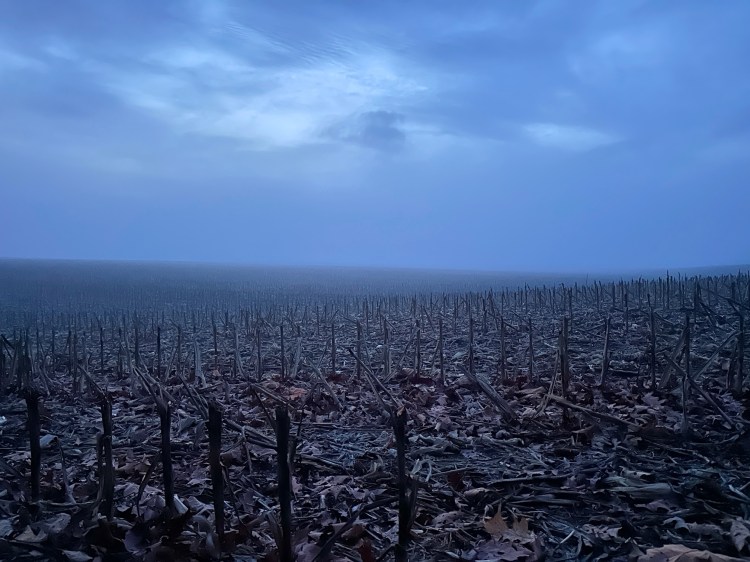
image: misty field © Holly Troy 2024
In fact, any topic that has “received recent attention from Congress” or “widespread or critical media attention” must be flagged for extra scrutiny at the National Cancer Institute, according to an internal memo reported on by ProPublica. And agencies like the USDA’s Agricultural Research Service, which works to find scientific solutions to challenges facing the U.S. agriculture industry, must attempt to function without mentioning water, air, soil, or groundwater pollution, or the insidious PFAS chemicals previously recognized as a major health concern to all Americans.
from — Connelly, E. A. (2025, December 22). Federal Government’s Growing Banned Words List Is Chilling Act of Censorship. PEN America.
Discover more from holly troy ~ sacred folly
Subscribe to get the latest posts sent to your email.
 holly troy ~ sacred folly
Morw than anything / clean water is essential /for the growth of life
LikeLiked by 1 person