
forbidden words: discussion of federal policies — Human Rights and Democracy
discussion of federal policies: Human Rights and Democracy
from U.S. Department of State Policy Issues: Human Rights and Democracy
2021-2025 ARCHIVED CONTENT
You are viewing ARCHIVED CONTENT released online from January 20, 2021 to January 20, 2025.
Content in this archive site is NOT UPDATED, and links may not function.
For current information, go to www.state.gov.
Policy Issues – Human Rights and Democracy
The protection of fundamental human rights was a foundation stone in the establishment of the United States over 200 years ago. Since then, a central goal of U.S. foreign policy has been the promotion of respect for human rights, as embodied in the Universal Declaration of Human Rights.
Supporting democracy not only promotes such fundamental American values as religious freedom and worker rights, but also helps create a more secure, stable, and prosperous global arena in which the United States can advance its national interests. In addition, democracy is the one national interest that helps to secure all the others. Democratically governed nations are more likely to secure the peace, deter aggression, expand open markets, promote economic development, protect American citizens, combat international terrorism and crime, uphold human and worker rights, avoid humanitarian crises and refugee flows, improve the global environment, and protect human health.
The United States uses a wide range of tools to advance a freedom agenda, including bilateral diplomacy, multilateral engagement, foreign assistance, reporting and public outreach, and economic sanctions. The Department of State works with democratic partners, international and regional organizations, nongovernmental organizations, and engaged citizens to support those seeking freedom.
Read more about what specific bureaus are doing to support this policy issue:
Bureau of Democracy, Human Rights, and Labor (DRL): DRL leads U.S. efforts to promote democracy, to protect human rights and international religious freedom, and to advance labor rights globally. Read more about DRL
from — Human Rights and Democracy – United States Department of State. (2024, July 1). United States Department of State.
~ ~ ~
Meeting Trump’s Challenge to Human Rights
Rights-Respecting Democracies Should Unite to Preserve Fundamental Freedoms
(Washington, DC) – Rights-respecting democracies should form a strategic alliance to preserve the rules-based international order, which is under threat from the Trump administration and the leaders of China and Russia, Human Rights Watch said today in its World Report 2026.
In the 529-page World Report 2026, its 36th edition, Human Rights Watch reviews human rights practices in more than 100 countries. In his introductory essay, Executive Director Philippe Bolopion writes that breaking the authoritarian wave sweeping the world is the challenge of a generation.
US President Donald Trump and a broadening authoritarian wave have wreaked havoc on human rights safeguards and protections around the world. Recent US abuses—from attacks on free speech to deporting people to third countries where they may face torture—underscore the administration’s assault on the rule of law. Combined with China’s and Russia’s longstanding efforts to weaken the rules-based global order, the Trump administration’s actions have enormous repercussions around the world.
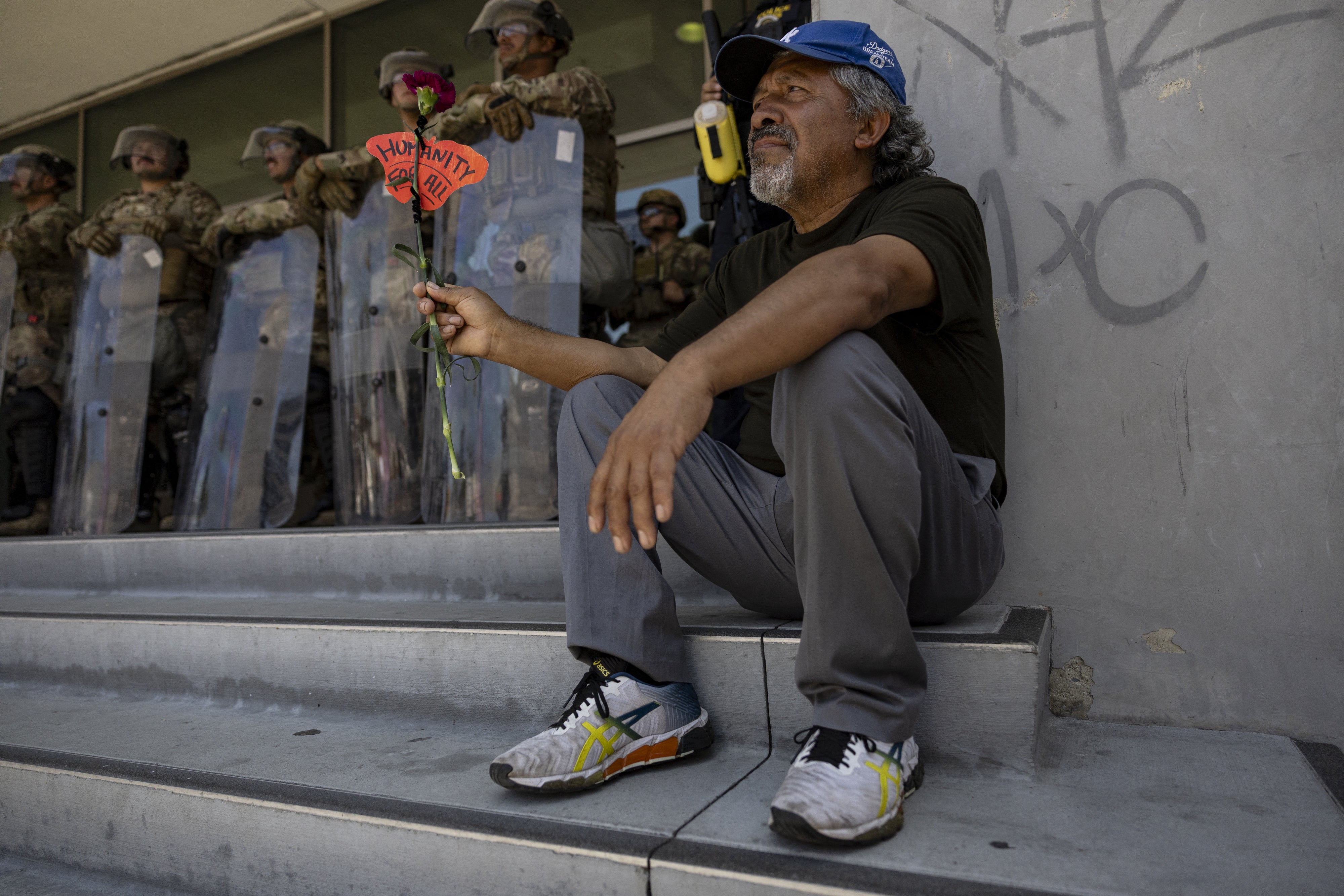
“The global human rights system is in peril,” said Philippe Bolopion, executive director at Human Rights Watch. “Under relentless pressure from US President Donald Trump, and persistently undermined by China and Russia, the rules-based international order is being crushed, threatening to take with it the architecture human rights defenders have come to rely on to advance norms and protect freedoms. To defy this trend, governments that still value human rights, alongside social movements, civil society, and international institutions, need to form a strategic alliance to push back.”
“The US president has undermined trust in the sanctity of elections and reduced government accountability,” Bolopion said. Trump has attacked judicial independence, defied court orders, gutted food assistance and healthcare subsidies, rolled back women’s rights, obstructed access to abortion care, undermined remedies for racial harm, stripped protections from trans and intersex people, and eroded privacy. He has also used the power of government to intimidate political opponents, the media, law firms, universities, civil society, and even comedians.
“Claiming a risk of ‘civilizational erasure’ in Europe and leaning on racist tropes to cast entire populations as unwelcome in the US, the Trump administration has embraced policies and rhetoric that align with white nationalist ideology,” Bolopion said. “Trump’s foreign policy has upended the foundations of the rules-based order that seeks to advance democracy and human rights. Trump has boasted that he doesn’t ‘need international law’ as a constraint, only his ‘own morality.’”
Trump’s foreign policy has been marked by a brazen disregard for US human rights obligations and a sharp turn away from efforts to make promoting human rights a meaningful focus of US diplomacy. The administration abruptly terminated nearly all US foreign aid, including funding that supported lifesaving humanitarian assistance. It also withdrew from multilateral institutions central to global human rights protection, including the United Nations Human Rights Council and the Paris Climate Agreement.
The US weakening of multilateral institutions also dealt a serious blow to global efforts to prevent or stop grave international crimes. The “never again” movement, born from the horrors of the Holocaust, and reignited by the Rwandan and Bosnian genocides, spurred the UN General Assembly to embrace the “responsibility to protect” (R2P) in 2005. Today, R2P is rarely invoked and the International Criminal Court is under siege.
Twenty years ago, the US government and civil society were instrumental in galvanizing a response to mass atrocities in Darfur. Sudan is burning again, but this time, under Trump, with relative impunity.
In the Occupied Palestinian Territory, the Israeli armed forces have committed acts of genocide, ethnic cleansing, and crimes against humanity, killing over 70,000 people since the October 2023 Hamas-led attacks on Israel and displacing the vast majority of Gaza’s population. These crimes were met with uneven global condemnation, and Trump continued a longstanding US policy of almost unconditional support to Israel, even as the International Court of Justice is weighing allegations of genocide.
In Ukraine, Trump’s peace efforts have consistently downplayed Russia’s responsibility for serious violations. Rather than applying meaningful pressure on Putin to end these crimes, Trump publicly berated Ukrainian President Volodymyr Zelenskyy, demanded an exploitative mineral deal, pressured Ukraine to concede large swaths of territory, and proposed “full amnesty” for war crimes.
With the US emphatically turning its back on human rights, some of the countries that could have led the battle to preserve human rights have been weakened by illiberal internal forces, Bolopion said. Governments are also held back by the fear of antagonizing the US and China, and many treat rights and the rule of law as a hindrance, rather than a benefit, to security and economic growth.
But if these countries come together, they could become a powerful political force and substantial economic bloc. It is critical to look beyond the usual candidates, Bolopion said. The multilateral order was built brick by brick by states from all regions. And the support for human rights has never come just from powerful democracies or countries with perfect domestic rights records.
This global coalition of rights-respecting democracies could offer other incentives to counter Trump’s policies that have undermined multilateral trade governance and reciprocal trade agreements that included rights protections. Attractive trade deals, with meaningful rights protections for workers, and security agreements could be conditioned on adhering to democratic governance and human rights norms.
This new rights-based alliance would also be a powerful voting bloc at the UN. It could commit to defending the independence and integrity of UN human rights mechanisms, providing political and financial support, and building coalitions capable of advancing democratic norms, including when opposed by superpowers.
Yet, even in the worst of times, the idea of freedom and human rights is enduring. People power remains the engine for change and protecting the rights of the most vulnerable, Bolopion said. In this more hostile world, the work of civil society is more critical than ever.
“Breaking the authoritarian wave and standing up for human rights is a generational challenge,” Bolopion said. “In 2026, it will play out most acutely in the US, with far-reaching consequences for the rest of the world. Fighting back will require a determined, strategic, and coordinated reaction from voters, civil society, multilateral institutions, and rights-respecting governments around the globe.”
from — Meeting Trump’s challenge to human rights. (2026, February 9). Human Rights Watch.
~ ~ ~
from the Leadership Conference on Civil and Human Rights
Trump Administration Civil and Human Rights Rollbacks
The Trump administration has worked aggressively to turn back the clock on the nation’s civil and human rights progress. The timeline below is not comprehensive but is representative of the tremendously harmful actions taken by this administration — which are deeply impacting our communities and devastating people’s lives, families, and futures. These actions seek to create chaos, sow division, and roll back critical civil and human rights and protections. Nevertheless, the civil rights community persists in pushing back to defend and advance rights and freedoms for all.
Notably, the administration has installed the president’s personal attorneys and other anti-civil rights extremists into positions responsible for enforcing landmark civil rights laws, including at the Department of Justice and its Civil Rights Division, where political appointees have perverted the founding mission of the division — devoting themselves to promoting the president’s dangerous authoritarian, anti-civil and human rights agenda that targets our nation’s most vulnerable people and communities. Similarly, the president is nominating individuals to serve in lifetime positions on the federal bench — individuals he believes will be loyal to him rather than to the nation’s laws and Constitution, and who he believes will carry out his anti-civil rights plans.
The administration has also engaged in a frontal attack on the rule of law and the basic tenets of our democracy, including by targeting law firms that have challenged the administration, installing the president’s personal lawyers into roles throughout the executive branch, and defying court orders when federal judges deem their actions unlawful. It also includes deporting U.S. citizens and others without due process, arresting student protestors who haven’t been charged with a crime, subjecting nonprofit and elected leaders to inappropriate physical force and retaliatory criminal prosecutions, deploying the National Guard on peaceful protestors, and other cruel, authoritarian actions.
There has also been a strategic effort by the administration to remove commonly used datasets and resources that document economic, social, and health disparities faced by millions of people in America. These rollbacks not only threaten the integrity of scientific research but are a deliberate attempt to suppress visibility and recognition of underserved communities.
Our federal government and its leaders should be in the business of recognizing and protecting rights and freedoms rather than attacking civil rights with the full force and resources of federal agencies. We must all continue to insist that our federal civil rights laws be enforced, that the government serve the people, and that this administration’s cruel and regressive agenda be stopped.
Note: This timeline documents anti-civil and human rights actions this administration has sought to impose on the American people — highlighting the intentions of the Trump administration to undermine civil and human rights and multiracial democracy. It does not capture the state of their implementation, whether they’ve been challenged or blocked in court, or the impact they’ve had on communities across the country.
2025
January 20: President Trump revoked dozens of Biden administration executive orders, including those that sought to: advance racial equity through the federal government; adopt a whole of government approach to integrating non-partisan voter registration activities and programs throughout federal agencies; advance safe, secure, and trustworthy development and use of artificial intelligence; advance effective and accountable policing and criminal justice practices to enhance public trust and public safety; protect the census and affirm that apportionment counts include all people; and much more.
January 20: President Trump declared a national emergency at the southern border, including directing the Department of Defense to allocate personnel to support the Department of Homeland Security in obtaining complete operational control of the southern border. It also revoked President Biden’s order that blocked funds from being diverted to border wall construction.
January 20: President Trump issued an executive order seeking to end birthright citizenship in direct contradiction to the plain text of the 14th Amendment of the U.S. Constitution, though the order doesn’t specify how agencies would carry it out. The Department of Justice defended this order in multiple courts.
January 20: President Trump issued an executive order that seeks to revise his plan to strip employment protections for federal workers, including by reinstating Schedule F. Tens of thousands of federal civilian workers could lose protection from being arbitrarily fired and potentially replaced with Trump administration loyalists under the schedule F plan, though the order changes “F” to the words “Policy/Career.”
January 20: President Trump issued an executive order to restore the federal death penalty, instructing the attorney general to “pursue the death penalty for all crimes of a severity demanding its use” and directs the attorney general to “take all necessary and lawful action” to ensure that states with capital punishment have sufficient access to the drugs needed for lethal injection executions.
January 20: President Trump issued an executive order that calls for increased border wall construction, deployment of Department of Homeland Security and Department of Defense personnel to the border, and detention. It also reinstates the “Remain in Mexico” program.
January 20: President Trump issued an executive order that suspends admissions of refugees under the U.S. Refugee Admissions Program, subject to a review every 90 days, and revokes a Biden-era executive order on refugee resettlement.
January 20: President Trump issued an executive order that defines ‘sex’ in unscientific narrow binary terms, mandates that federal policies and documents align with this definition, and prohibits funding or promotion of so-called “gender ideology.” It also directs agencies to remove references to nonbinary people and prohibit recognition of gender identity differently from sex assigned at birth in a blatant attack on trans people. Many of the actions listed in this order would be in direct conflict with much of the Supreme Court’s opinion in Bostock v. Clayton County, binding precedent interpreting Title VII’s prohibition of discrimination on the basis of sex in the workplace. The order also calls on the Bureau of Prisons and the Department of Homeland Security to ignore the guidelines of the Prison Rape Elimination Act and enforce a blanket policy forcing transgender women into men’s prisons and detention centers against their will.
January 20: President Trump issued an executive order calling for an end to diversity, equity, inclusion, and accessibility programs, policies, and activities in the federal government. Specifically, it provides a list of federal grantees who received federal funding to provide or advance DEI, DEIA, or environmental justice programs, services, or activities since January 20, 2021.
January 20: President Trump issued a proclamation that commutes the sentences of several people convicted of violent crimes related to the January 6 insurrection and grants “a full, complete and unconditional pardon to all other individuals convicted of offenses related to events that occurred at or near the United States Capitol on January 6, 2021.”
- Read The Leadership Conference’s response here.
January 20: President Trump issued an executive order setting up a 60-day window for a report about countries with “deficient screening” to be submitted to the White House to justify another travel ban — and additional scrutiny on people from those countries who came here during the Biden administration.
January 20: President Trump issued an executive order purporting to invoke constitutional powers to override a swath of federal immigration law, including asylum law, and deny virtually all migrants entry at the southern border, claiming they are engaged in an “invasion.”
January 20: President Trump issued an executive order to lay the groundwork for the administration’s mass deportation efforts, including by directing the Department of Homeland Security to work with ICE, CBP, and CIS to set priorities and directing the Department of Justice to prioritize criminal prosecution of unauthorized entry and presence offenses. It also directs DHS to enter into agreements with state and local officials to cooperate in enforcement and directs DHS and DOJ to deny federal funds where permissible to “sanctuary cities” and pursue criminal or civil actions when deemed permissible.
January 20: The Trump administration took down ReproductiveRights.gov, a website launched by the Biden administration that included information about reproductive health care, abortion, and patient rights. The Department of Health and Human Services launched the site in 2022 to increase public awareness around reproductive health services.
January 20: Acting Department of Homeland Security Secretary Benjamine Huffman issued directives that rescinded a Biden-era policy that protected certain areas — such as schools, churches, and hospitals — from immigrant enforcement, replacing it with an unreleased directive that gives ICE agents unbridled power to take enforcement actions in any of these spaces using so-called “common sense.” Protecting sensitive locations from immigrant enforcement is essential to ensuring all our community members can access basic services and support without fear. The policy’s rescission constitutes an attack on immigrant communities’ well-being and undermines safety for all.
January 20: The Trump administration fired four officials at the Department of Justice’s Executive Office of Immigration Review — all civil servants, not political appointees — which oversees U.S. immigration courts, including the chief immigration judge, the office’s acting director, the office’s general counsel, and the office’s head of policy.
January 21: The chair of the Federal Communications Commission announced that the agency would end “the FCC’s promotion of DEI” pursuant to Trump’s day one executive order.
January 21: President Trump issued an executive order rescinding a longstanding executive order (Executive Order 11246, originally issued by President Lyndon Johnson) that addresses discrimination in federal contracting. The order bans all federal contractors and publicly funded universities from practicing “race-based discrimination,” although the ban includes diversity, equity, inclusion, and accessibility initiatives rather than actual race-based discrimination. The order is an unprecedented attempt to reverse the fundamental meaning of civil rights in America and aims to redefine equal opportunity programs as discrimination, create a chilling effect by threatening investigations of organizations that maintain diversity initiatives, eliminate requirements that contractors receiving taxpayer dollars don’t unlawfully discriminate and take steps to ensure equal employment opportunities (with major spillover effects across the private sector), and pressure corporations, non-profits, schools, and professional associations to roll back effective inclusion practices.
- Read The Leadership Conference’s response here.
January 21: The Office of Personnel Management issued a memo with initial guidance to agencies referencing the administration’s DEIA-related orders, directing agency heads to take “prompt actions” to close DEIA offices and to timely report any attempts to “obscure the connection between the contract and DEIA or similar ideologies” or risk “adverse consequences.”
January 21: In a memo from acting Deputy Attorney General Emil Bove, the Department of Justice ordered federal prosecutors to investigate state or local officials they believe are interfering with the administration’s crackdown on immigration, in addition to revoking Biden-era DOJ policies designed to mitigate harsh sentencing practices and racial disparities in the criminal-legal system.
January 22: The White House issued a Statement of Administration Policy in strong support of S. 5, the Laken Riley Act, which makes unprecedented changes to immigration detention laws and was opposed by The Leadership Conference. President Trump signed S. 5 into law on January 29.
- Read The Leadership Conference’s letter of opposition here.
January 22: Two internal memos from the chief of staff at the Department of Justice ordered an immediate halt to new civil rights cases or investigations, ordering a “litigation freeze” at the Civil Rights Division and barring lawyers from filing “motions to intervene, agreed-upon remands, amicus briefs or statements of interest.” A freeze was also ordered on department activity involving consent decrees.
January 23: Secretary of State Marco Rubio instructed Department of State staff to implement strict guidelines freezing all applications for passports with “X” sex markers and changes to gender identity on existing passports. Rubio’s directive states that “sex, and not gender, shall be used” in official documents.
January 23: Acting Department of Homeland Security Secretary Benjamine Huffman issued a memorandum that invokes an obscure provision of law, which had never before been invoked, authorizing DHS to declare a “mass influx” and deputize local law enforcement as full immigration officers under the law.
January 23: President Trump issued an executive order on Artificial Intelligence, rolling back important guardrails put in place by the Biden administration.
January 23: The White House issued a Statement of Administration Policy in strong support of S. 6, the Born-Alive Abortion Survivors Protection Act, which would make it more difficult for pregnant people to access the necessary and life-saving medical care they need.
- Read The Leadership Conference’s letter of opposition here.
January 23: President Donald Trump pardoned 23 people who were convicted of violating the Freedom of Access to Clinic Entrances Act (FACE Act), which prohibits “threats of force, obstruction and property damage intended to interfere with reproductive health care services” as well as other applicable criminal statutes based on intimidation tactics. The people pardoned — some of whom committed violent acts — were released from prison the day before the “March For Life.”
January 24: The Department of Education’s Office for Civil Rights dismissed 11 complaints related to the hostile learning environment caused by book banning that disproportionately targeted LGBTQ authors and topics as well as authors of color or topics related to race and racism without investigating whether the schools created hostile learning environments. According to the department, “OCR has rescinded all department guidance issued under the theory that a school district’s removal of age-inappropriate books from its libraries may violate civil rights laws.”
January 24: President Trump issued actions to enforce the Hyde Amendment and to reinstate the global gag rule (also known as the Mexico City Policy) — a harmful and regressive policy that restricts U.S. foreign assistance to organizations providing, counseling, or advocating for legal abortion services, regardless of local laws or non-U.S. funding sources.
January 25: The Department of Justice notified the Supreme Court that its earlier position in Louisiana v. Callais — that the state had sufficient evidence on which to base a second majoirty-Black district — no longer represented its position. The Supreme Court requested re-argument in the case for the 2025-26 term.
January 25: According to reports, the Department of Justice reassigned two senior civil rights officials overseeing the government’s litigating positions on transgender rights, police misconduct, affirmative action, and other anti-discrimination issues.
January 27: The Trump administration paused its defense of the Biden-era independent contractor rule from the Department of Labor, signaling that the Trump DOL will try to return to the rule it attempted to promulgate in its first administration that prioritized only the factors that made it easier to classify someone as an independent contractor.
January 27: President Trump issued an executive order seeking to end diversity, equity, inclusion, and accessibility initiatives within the U.S. military.
January 27: President Trump issued an executive order seeking to ban transgender service members from serving in the U.S. armed forces.
January 27: The Office of Management and Budget issued a memo requiring all federal agencies to “temporarily pause all activities related to obligation or disbursement of all Federal financial assistance, and other relevant agency activities that may be implicated by the executive orders, including, but not limited to, financial assistance for foreign aid, nongovernmental organizations, DEI, woke gender ideology, and the green new deal.” The memo was rescinded two days later.
January 27: President Trump fired Jennifer Abruzzo, general counsel of the National Labor Relations Board, and Gwynne Wilcox, one of the NLRB’s two Democratic members.
January 27: President Trump fired two of the Equal Employment Opportunity Commission’s three Democratic members — Jocelyn Samuels and Charlotte Burrows. He also removed civil rights lawyer Karla Gilbride as the agency’s general counsel.
January 28: President Trump issued an executive order that directs agencies and programs to work towards significantly limiting youth access to gender affirming care nationwide. The order threatens to override families with transgender youth and shut down access to gender-affirming care for trans people under the age of 19.
January 28: The Department of Justice voluntarily dismissed its lawsuit challenging Virginia’s voter purge program. During the Biden administration, the department sued the state for removing voters from the rolls shortly before the November election, violating federal law.
January 28: The Equal Employment Opportunity Commission’s acting chair — in a release titled “Removing Gender Ideology and Restoring the EEOC’s Role of Protecting Women in the Workplace” — announced that she would prioritize work “to defend the biological and binary reality of sex and related rights” in response to one of the president’s first executive orders. The actions announced include, for example, ending the use of the X gender marker during the intake process for filing a charge of discrimination.
January 29: The acting director of the Office of Personnel Management issued a memo directing heads and acting heads of departments and agencies to terminate any programs that “promote or inculcate gender ideology,” in addition to other steps like taking down websites, cancelling trainings, and disbanding employee resource groups.
January 29: President Trump issued an executive order that pushes for federal voucher programs that divert public education funds to private and religious schools. The order made no new policies, but instead directed the Department of Education to respond.
January 29: The Department of Justice withdrew from an Americans with Disabilities Act case concerning the Utah Department of Corrections’ refusal to treat a transgender person with gender dysphoria who resorted to self-castration while waiting for treatment.
January 29: President Trump issued an executive order that directs the Department of Education, Department of Defense, and Department of Health and Human Services to come up with plans by March 21 for ending federal funding for so-called “discriminatory equity ideology” (by which they mean valuing diversity, accurate teaching, and inclusive curriculum). Since the Department of Education was first created, there have been legal prohibitions on federal interference in local curricular decisions. Although these prohibitions on federal interference would not allow a school district to create a hostile learning environment, Congress has been clear that decisions about what and how to teach remain the exclusive purview of states, districts, schools, and classroom teachers.
- Read The Leadership Conference’s response here.
January 31: The Department of Education sent a Dear Colleague letter to K-12 schools and institutions of higher education saying that the department’s Office for Civil Rights would enforce the first Trump administration’s Title IX rule, which civil rights organizations strongly opposed.
January 31: The New York Times reported that “the Trump administration plans to scrutinize thousands of F.B.I. agents involved in Jan. 6 investigations, setting the stage for a possible purge that goes far beyond the bureau’s leaders to target rank-and-file agents.”
January 31: The Social Security Administration stopped allowing people to make changes to their sex identification with the agency, an “emergency” change that went into effect “immediately.”
January 31: President Trump issued a presidential memorandum for the heads of executive departments and agencies that seeks to limit the approval of collective bargaining agreements reached with the federal workforce and instructs department and agency officials not to approve collective bargaining agreements executed in the 30-days prior to the inauguration of a new president.
February 1: President Trump fired Rohit Chopra, the director of the Consumer Financial Protection Bureau.
February 3: Following the firing of Director Chopra, the Consumer Financial Protection Bureau stopped defending Biden-era CFPB rules in court, including rules related to small business lending and unfair discrimination in consumer finance.
February 4: The White House issued a Statement of Administration Policy in strong support of H.R. 27, the HALT Fentanyl Act, which would permanently schedule fentanyl-related substances on schedule I of the Controlled Substances Act based on a flawed class definition. The classwide scheduling that this bill would impose would exacerbate pretrial detention, mass incarceration, and racial disparities in the prison system, doubling down on a fear-based, enforcement-first response to a public health challenge.
- Read The Leadership Conference’s letter of opposition here.
February 5: On her first day in office, Attorney General Pam Bondi issued more than a dozen troubling directives to weaponize the department, unravel progress, and pervert the rule of law. For example, one directive, titled “Ending Illegal DEI and DEIA Discrimination and Preferences,” says that “To fulfill the Nation’s promise of equality for all Americans, the Department of Justice’s Civil Rights Division will investigate, eliminate, and penalize illegal DEI and DEIA preferences, mandates, policies, programs, and activities in the private sector and in educational institutions that receive federal funds.” Another memo seeks to revive the federal death penalty by ending the moratorium on federal executions put in place during the Biden administration. Another one regarding “zealous advocacy on behalf of the United States” refers to government attorneys serving as the president’s lawyers, stating that “When Department of Justice attorneys, for example, refuse to advance good-faith arguments by declining to appear in court or sign briefs, it undermines the constitutional order and deprives the President of the benefit of his lawyers.” And yet another memo disbands the FBI’s Foreign Influence Task Force and pares back enforcement of the Foreign Agents Registration Act.
February 5: A Federal Register notice indicated that the Trump administration ended Temporary Protected Status for more than 300,000 Venezuelans in the United States, though another group of more than 250,000 Venezuelans have protections through September and are not affected by this announcement.
February 5: President Trump issued an executive order that weaponizes Title IX against schools and educational institutions that are inclusive of trans athletes. The order requires all executive departments and agencies to review educational grant programs and rescind funding to programs that don’t comply, and it asserts that the Department of Justice is an enforcement agency for compliance with this order.
February 6: President Trump issued an executive order that establishes a task force to “Eradicate Anti-Christian Bias” with the attorney general serving as the chair, and it includes secretaries from nine federal agencies, including the Department of Education. This order includes lies about the EEOC and claims that the civil rights enforcement office violates the religious expression of Christians.
February 7: The Department of Justice notified the Supreme Court that the United States changed its position in U.S. v. Skrmetti and is now aligned with the Tennessee respondents.
February 7: Secretary of Defense Pete Hegseth issued a memo, following a previous executive order signed by the president, ordering an immediate pause on gender-affirming “medical procedures” for current transgender servicemembers and on allowing trans people to join the military.
February 10: The Office of Personnel Management submitted proposed Schedule F regulations to the Office of Information and Regulatory Affairs to weaken federal worker protections and carry out a January 20 executive order signed by the president.
February 12: The Department of Education’s Office for Civil Rights rescinded the nine-page Title IX guidance on Name, Image, Likeness (NIL) issued in the final days of the Biden administration. The Biden-era guidance was meant to ensure that NIL payments to college athletes were proportionate between athletes of all genders in order to comply with Title IX.
February 12: The acting solicitor general of the United States said in a letter that the department will no longer defend the independent status of three consumer and worker protection agencies, including the National Labor Relations Board, the Federal Trade Commission, and Consumer Product Safety Commission.
February 13: ProPublica reported that “investigations by the agency that handles allegations of civil rights violations in the nation’s schools and colleges have ground to a halt. At the same time, there’s been a dramatic drop in the number of new cases opened by the U.S. Department of Education’s Office for Civil Rights — and the few that attorneys have been directed to investigate reflect some of Trump’s priorities: getting rid of gender-neutral bathrooms, banning transgender athletes from participating in women’s sports and alleged antisemitism or discrimination against white students.”
February 13: The Equal Employment Opportunity Commission began filing motions to dismiss court cases the agency brought against businesses accused of discriminating against transgender and nonbinary employees — filings that are at odds with Bostock v. Clayton County.
February 14: The Department of Education’s Office for Civil Rights sent a Dear Colleague letter about race in education in which it grossly misstated the law following the 2023 SFFA v. Harvard Supreme Court decision and threatened to cut funding to pre-K through 12 schools, colleges, and universities that invest in steps to level the playing field for students, faculty, and staff.
February 14: A memo to employees of the Cybersecurity and Infrastructure Agency from the acting director said that the agency was freezing all of its election security work and reviewing everything it’s done to help state and local officials secure their elections for the past eight years.
February 14: The acting general counsel of the National Labor Relations Board issued a memo rescinding many of the policy memos issued by former NLRB General Counsel Jennifer Abruzzo. One of the rescinded memos, for example, will make undocumented workers more vulnerable to exploitation and retaliation by unscrupulous employers.
February 15: President Trump issued an executive order that aims to prohibit the use of discretionary federal funds to support education institutions (both K-12 and higher education) that require COVID-19 vaccinations for in-person attendance.
February 15: The General Services Administration issued a memo, which applies to all civilian federal agencies, removing a longstanding civil rights-era directive that explicitly prohibited federal contractors from allowing segregated facilities.
February 17: The Department of Education announced that it terminated more than $600 million in grants to institutions and nonprofits that were using funds to train teachers and education agencies on what it refers to as “divisive ideologies,” including topics such as “Critical Race Theory; Diversity, Equity, and Inclusion (DEI); social justice activism; “anti-racism”; and instruction on white privilege and white supremacy.”
February 18: According to reports, the Department of Homeland Security’s Office of Intelligence and Analysis updated its policy manual to eliminate policies prohibiting personnel from conducting intelligence activities based solely on a person’s gender identity or sexual orientation.
February 20: Secretary of Homeland Security Kristi Noem partially vacated the July 1, 2024, notice that extended and redesignated Haiti for Temporary Protected Status, leaving hundreds of thousands of Haitians vulnerable to deportation by August 2025.
February 20: The Department of Justice confirmed the deletion of the National Law Enforcement Accountability Database (NLEAD), which was created during the Biden administration to help ensure that federal law enforcement candidates who have a history of misconduct are not rehired by other law enforcement agencies. NLEAD was developed as a result of President Biden’s Executive Order on Advancing Effective and Accountable Policing and Criminal Justice Practices to Enhance Public Trust and Public Safety, which President Trump revoked on his first day in office.
February 20: The Department of Justice filed a motion with the U.S. District Court for the Southern District of Texas to dismiss a case against Elon Musk’s SpaceX, in which the company was accused of discriminating against people based on their citizenship status. The DOJ said it would file a notice of dismissal with prejudice so that prosecutors wouldn’t be able to file the charges again.
February 20: The Department of Health and Human Services’ Office for Civil Rights issued a notice rescinding Biden-era guidance related to gender-affirming care, civil rights, and privacy protections for transgender people. This seeks to carry out the president’s executive order restricting access to gender-affirming care for young people, saying that it “no longer represents the views or policies of HHS OCR.”
February 21: The recently departed director of the U.S. Census Bureau — Robert Santos — said that the bureau has stopped its work producing statistics that could help protect trans rights, taking steps to remove gender identity questions from at least four separate surveys conducted by the Census Bureau, including the National Crime Victimization Survey and the National Health Interview Survey. The former director also indicated that the bureau had halted planned field testing on adding gender identity measures to the American Community Survey. These changes were made to comply with President Trump’s Executive Order 14168.
February 24: According to reports, the Department of State “ordered officials worldwide to deny visas to transgender athletes attempting to come to the US for sports competitions and to issue permanent visa bans against those who are deemed to misrepresent their birth sex on visa applications.”
February 25: Following the president’s anti-trans executive order on this topic, Attorney General Pam Bondi issued letters to officials in California, Maine, and Minnesota warning them to comply with federal antidiscrimination laws that “require them to keep men out of women’s sports.”
February 25: The Social Security Administration announced the closing of a component within the agency, the Office of Civil Rights and Equal Opportunity, the employees of which were put on administrative leave.
February 25: The Trump administration announced it would require some undocumented immigrants to register with the Department of Homeland Security and on March 7 shared a new rule explaining how the system will work. The registry process will force immigrants to be fingerprinted and give police the authority to stop a suspected immigrant and demand proof of registration or face criminal prosecution.
February 26: The Department of Defense issued a memorandum outlining its policy to ban all transgender people from joining or continuing to serve in the military, implementing the president’s January 27 executive order.
February 26: Attorney General Pam Bondi directed the Department of Justice’s Civil Rights Division to dismiss several Biden-era lawsuits against police and fire departments who the attorney general accused of using “DEI quotas.”
February 27: The Department of Education announced the release of a form — called their “‘End DEI’ Portal” — for “parents, students, teachers, and the broader community” to “submit reports of discrimination based on race or sex in publicly-funded K-12 schools.” The language of the announcement and the web address makes clear that the goal of this reporting is not to meaningfully ensure equal access to an education or for compliance with federal civil rights laws and that it is instead about advancing their agenda to close doors to opportunity and limit what students are allowed to learn.
February 28: Health and Human Services Secretary Robert F. Kennedy, Jr. proposed to rescind the agency’s longtime practice of allowing the public to comment on HHS proposals, as published in the Federal Register on March 3.
March 1: President Trump issued an executive order that purports to designate English as the nation’s official language and allows federal agencies to conduct all official business exclusively in English. This order rescinds Executive Order 13166 of August 2000, which required federal agencies to provide services in multiple languages to individuals with limited English proficiency. Importantly, this order does not require agencies to remove or stop producing materials in other languages.
March 3: The Department of Housing and Urban Development published an interim final rule, to take effect on April 2, which significantly waters down the “Affirmatively Furthering Fair Housing” requirement of the Fair Housing Act.
- The Leadership Conference joined the National Fair Housing Alliance and numerous other groups to file comments that opposed this rule.
March 3: The White House issued a Statement of Administration Policy in strong support of S. 9, the Protection of Women and Girls in Sports Act, which seeks to exclude transgender, nonbinary, and intersex people from athletics programs in schools.
- Read The Leadership Conference’s letter of opposition (signed by 450+ organizations) here.
March 4: The Department of Commerce terminated the Census Bureau’s three advisory committees: the 2030 Census Advisory Committee; the Census Scientific Advisory Committee; and the National Advisory Committee on Racial, Ethnic, and Other Populations. These advisory committees have long served as essential mechanisms through which the Census Bureau has engaged scientific and technical experts and trusted community leaders to provide input on data collection methodologies, community engagement strategies, research projects, emerging technologies, and survey content. Their input was necessary to help remedy historic and persistent undercounts, as well as rural and digital divides, and to ensure that all communities are reflected in our public data.
March 5: The Trump administration dismissed the Department of Justice’s Emergency Medical Treatment and Labor Act (EMTALA) emergency abortion care lawsuit against Idaho that was brought during the Biden administration.
March 6: The Department of Justice’s Civil Rights Division withdrew from a major vote dilution case involving Texas’s congressional and state legislative districts after prosecuting the case for nearly four years. The lawsuit was originally filed by the department during the Biden administration following the 2020 Census and alleged racial discrimination in violation of the Voting Rights Act.
March 7: The Department of Homeland Security announced that it’s ending collective bargaining for the Transportation Security Administration’s transportation security officers, effectively revoking union protections for thousands of airport security officers.
March 7: The Department of Homeland Security reopened and expanded family detention centers, including in Dilley and Karnes County, Texas.
- Read The Leadership Conference’s response here.
March 7: President Trump issued an executive order that calls for the issuance of new rules to revise the definition of an eligible employer under Public Service Loan Forgiveness (PSLF), which would exclude 501c(3) employers who they deem to have a “substantial illegal purpose including…illegal immigration, human smuggling, child trafficking, pervasive damage to public property, and disruption of the public order.” In the short term, this EO has no immediate changes to PSLF eligibility. Changes to PSLF must go through the negotiated rulemaking process, which would take a year or possibly longer.
March 10: The Centers for Medicare & Medicaid Services released a proposed rule aiming to strip Deferred Action for Childhood Arrivals (DACA) recipients’ Affordable Care Act coverage.
March 11: The Department of Education announced that it’s laying off more than 1,300 of the department’s 4,000 employees and closing five of its 12 civil rights offices across the country.
March 12: The chair of the Federal Communications Commission announced the “Delete, Delete, Delete” initiative to review and remove any regulations that the commission, or its bureaus and offices, finds “burdensome,” undermining public input and judicial oversight.
March 14: The Department of Education’s Office for Civil Rights opened investigations into 45 universities under Title VI of the Civil Rights Act of 1964 following OCR’s February 14 Dear Colleague letter — particularly graduate programs that partner with The PhD Project, a nonprofit organization that helps students from underrepresented groups earn doctoral degrees in business.
March 14: President Trump rescinded Executive Order 14026 — originally signed by President Biden in April 2021 — which increased the minimum wage for federal contractors to $15 per hour.
March 14: The Department of Justice’s Civil Rights Division filed a dismissal of the complaint in United States v. Alabama, dismissing a lawsuit initiated by the department in September 2024 to challenge a systematic state program in Alabama aimed at removing voters from its election rolls too close to the November 5 general election, in violation of the National Voter Registration Act of 1993.
March 14: President Trump issued an executive order outlining his plans to effectively shut down seven government entities, including the Minority Business Development Agency, saying they “shall be eliminated to the maximum extent consistent with applicable law.” The MBDA’s mission is to foster the economic growth and global competitiveness of minority business enterprises through technical assistance, access to capital, and access to contracts, and this order’s attempt to gut the agency is consistent with the administration’s false accusations of reverse racism.
March 15: President Trump issued a proclamation invoking the Alien Enemies Act. This shameful invocation of a wartime authority to speed up, expand, and intensify the administration’s cruel mass deportation and detention efforts is dangerous, discriminatory, and unacceptable. The Alien Enemies Act was used during World War II to help justify the forced relocation and incarceration of 120,000 people of Japanese descent. In defense of this action, the Department of Justice argued that the president can unilaterally deport anyone he wants without any statutory authority. On the same day, partially invoking this proclamation, the administration sent more than 200 immigrants to a maximum security prison in El Salvador, without adequate hearings and in defiance of a federal judge’s orders. The majority of them had no criminal record.
- Read The Leadership Conference’s response here.
March 15: President Trump signed H.R. 1968, the Full-Year Continuing Appropriations and Extensions Act, 2025, which undermined Congress’s role in controlling the power of the purse, provided hundreds of millions of dollars in additional resources to U.S. Immigration and Customs Enforcement to continue building its mass deportation machine, and limited D.C. to its FY24 levels for local funding, effectively leading to nearly $1 billion cuts to District services, including public safety, education, and health.
- Read The Leadership Conference’s letter of opposition here.
March 17: The Department of Veterans Affairs announced that the department would no longer offer medical treatment for gender dysphoria to veterans who aren’t already receiving the treatment from the VA or the Department of Defense.
March 18: President Trump fired Alvaro Bedoya and Rebecca Slaughter, commissioners of the Federal Trade Commission. Without a balanced and bipartisan FTC, consumers across the country are bound to be harmed while private companies and tech billionaires grow their wealth without oversight.
- Read The Leadership Conference’s response here.
March 19: As part of the administration’s ongoing attack on diversity, equity, inclusion, and accessibility the Equal Employment Opportunity Commission and the Department of Justice jointly released two technical assistance documents containing guidance on the DEI-related employment practices the agencies would deem to violate federal law. Notably, in the joint press release announcing the guidance, the EEOC’s acting chair quotes Justice Thomas’ concurrence in the Supreme Court’s decision rolling back affirmative action in higher education.
March 19: The Department of Justice announced that it’s withdrawing 11 pieces of guidance, originally released between 1999 and 2021, that it called “unnecessary and outdated” for complying with the Americans with Disabilities Act. The rescinded guidance includes documents titled “Five Steps to Make New Lodging Facilities Comply with the ADA” (1999) and “Reaching out to Customers with Disabilities” (2005), in addition to several COVID-related documents.
March 20: The deputy director of the Office of Presidential Personnel, Trent Morse, sent a letter to the chair of the U.S. Commission on Civil Rights, Rochelle Garza, purporting to “de-designate” her position, instead seeking to elevate one of the commission’s Republican members as chair. According to federal law, the president can only designate a new chair if a majority of the eight-member commission concurs, which had not occurred.
March 20: President Trump issued an executive order purportedly to remove barriers to sharing data from unclassified records among and within federal agencies. The removal of these data sharing limitations could potentially allow public data to be used for enforcement purposes under the guise of “national security,” ushering in an unprecedented era of weaponization of data as a mechanism to cut resources and a surveillance state that allows any administration to track and locate individuals, no matter their citizenship or immigration status.
March 20: President Trump issued an executive order on his proposed plan to eliminate the Department of Education, which enforces federal civil rights laws and protects the rights of students in every ZIP code and community. The plan would strip away vital federal dollars from schools that desperately need them, abandon all students, and allow discrimination to flourish.
- Read The Leadership Conference’s response here.
March 21: According to reports that were confirmed by the Department of Homeland Security, the agency eliminated numerous civil rights offices, conducting wide scale layoffs at DHS’s Office for Civil Rights and Civil Liberties and firing staff for the offices of two major ombudsmen.
March 22: President Trump issued a memorandum for the attorney general titled “Preventing Abuses of the Legal System and the Federal Court.” One analysis from the Economic Policy Institute notes that the “memo seems intended to intimidate and deter law firms that could potentially be hired to engage in litigation that challenges the actions taken and regulations issued by the Trump administration, perhaps to keep them from taking such cases, as well as to deter immigration lawyers from representing clients who are asylum-seekers or migrants in removal proceedings, through the threat of retaliation by the Attorney General.”
March 25: President Trump issued an executive order that seeks to create significant barriers to voting, including documentary proof of citizenship to register to vote. The order is a brazen overreach of power by the Trump administration, and it is designed to silence millions of voters — especially Black, Latino, Native American, and disabled voters — and strip communities of their voice in the decision-making that affects their everyday lives.
- Read The Leadership Conference’s response here.
March 27: Attorney General Pam Bondi directed the Department of Justice’s Civil Rights Division to begin investigations into admissions policies at Stanford University, University of California, Berkeley, University of California, Los Angeles, and University of California, Irvine following the U.S. Supreme Court’s 2023 Students for Fair Admissions decisions that rolled back affirmative action in higher education.
March 27: President Trump issued an executive order that strips collective bargaining and union rights from hundreds of thousands of workers across the federal government.
March 27: The Department of Health and Human Services announced what it referred to as “a dramatic restructuring,” including the dismantling of the Administration for Community Living, whose “critical” programs will be integrated into other HHS agencies. The ACL coordinates federal policy on aging and disability.
March 31: Attorney General Pam Bondi directed the Department of Justice to dismiss its claims in In Re Georgia Senate Bill 202, a Biden-era lawsuit that contended that several provisions of S.B. 202 were adopted with the purpose of denying or abridging the right to vote on account of race, particularly for the state’s Black voters.
March 31: The Department of Health and Human Services withheld funding to 16 domestic family planning organizations that receive grants through Title X, the nation’s only federal program dedicated to reproductive health service provision for people who lack health insurance or are underinsured.
April 1: According to reports, thousands of Centers for Disease Control and Prevention employees received emails asking them to resign, including those working on “reproductive health, chronic disease, occupational safety, birth defects, smoking, tuberculosis, asthma and air quality, accidental and intentional injury, and prevention of violence and prevention of sexually transmitted diseases, including HIV.” This included most of the more than 100 employees at the Division of Reproductive Health.
April 3: Office of Management and Budget Director Russell Vought issued updated guidance on federal agencies’ uses of AI. The guidance leaves out critical language around explicit civil rights enforcement and transparency.
April 4: Consistent with the administration’s assault on the rights of transgender people, the Departments of Education and Justice announced the formation of a “Title IX Special Investigations Team” that will be used to attack trans students.
April 4: According to reports, the Internal Revenue Service began layoffs of some 20,000 workers and will eliminate its civil rights office, which protects taxpayers from discrimination.
April 6: According to reports, an internal Department of Justice memo indicates that the department is considering a significant restructuring that includes eliminating the Community Relations Service — a Justice Department office established by the Civil Rights Act of 1964, which has been a key tool that helps address discrimination, conflicts, and tensions in communities around the country.
April 7: The Department of Justice filed a brief with the Supreme Court asking the Court to affirm the government’s right to abduct any individual in the country, regardless of immigration status, and illegally deport them to another country without due process.
April 7: According to reports and court filings, the “Department of Homeland Security and the Internal Revenue Service finalized an agreement Monday to provide sensitive taxpayer data to federal immigration authorities as part of President Donald Trump’s deportation push.” The agreement was signed by Treasury Secretary Scott Bessent and Homeland Security Secretary Kristi Noem.
April 8: The White House issued a Statement of Administration Policy in support of the No Rogue Rulings Act (NORRA), which would sharply limit federal district courts’ ability to do their jobs and issue nationwide injunctions against unlawful actions.
- Read The Leadership Conference’s letter of opposition here.
April 8: The White House issued a Statement of Administration Policy of the Safeguard American Voter Eligibility (SAVE) Act, which is a shameful, divisive attempt to prevent millions of eligible U.S. citizens — disproportionately Latinos, Asian Americans, Native Americans, and other voters of color — from registering to vote. It amends the National Voter Registration Act to require onerous documentary proof of citizenship to register to vote in federal elections and contains numerous other harmful provisions designed to restrict participation by lawfully registered voters.
- Read The Leadership Conference’s letter of opposition here.
April 9: President Trump issued a presidential memorandum directing the heads of all federal agencies to prepare to repeal finalized regulations without giving the public the legally required opportunity to weigh in on those changes. The memorandum says that these efforts should prioritize evaluating each regulation’s lawfulness under 10 Supreme Court cases, including Loper Bright v. Raimondo and Students for Fair Admissions v. Harvard.
April 10: The Department of Education withdrew from an agreement to address disparities in discipline for Native American students at a South Dakota school system.
April 11: The Department of Health and Human Services issued a clarification that removes gender dysphoria from disabilities protected under federal law, essentially declaring that a Biden-era rule cannot be enforced.
April 11: The Department of Justice announced that the Civil Rights Division would immediately terminate a landmark environmental justice settlement aimed at rectifying long-standing sewage infrastructure issues disproportionately exposing Black residents in Alabama’s Black Belt to disease and intolerable living conditions, leaving the community suffering from decades of environmental racism without the meaningful reforms they require.
April 11: Department of Homeland Security officials said the department would end Temporary Protected Status protections for more than 10,000 people from Afghanistan and Cameroon, putting them at risk of deportation in May and June.
April 15: The Department of Justice’s Civil Rights Division submitted a notice to end its lawsuit, filed in November 2024, against the Mississippi state senate over the legislature’s alleged pattern of racial discrimination against a Black lawyer who had worked in the legislative services office.
April 16: Attorney General Pam Bondi and Secretary of Education Linda McMahon announced that the DOJ is filing a lawsuit to challenge the state of Maine for allowing transgender student athletes to participate in sports consistent with their gender identity.
April 16: The Department of Labor placed hundreds of staff of a critical civil rights enforcement agency, the Office of Federal Contract Compliance Programs (OFCCP), on administrative leave, including the staff of every OFCCP regional office across the country except one. These staffing cuts at OFCCP effectively dismantle the work of the agency, leaving employees nationwide more vulnerable to discrimination. Having already gutted OFCCP’s work to promote equal opportunity for women, people of color, and other historically oppressed communities, the Trump administration is now making cuts that will undermine decades of progress that expanded opportunity for disabled workers and veterans, which led to historic high employment levels for these communities.
- Read The Leadership Conference’s joint response with other civil rights organizations here.
April 18: The Office of Personnel Management took action to implement President Trump’s executive action titled “Restoring Accountability to Policy-Influencing Positions Within the Federal Workforce” — which was published in the Federal Register on April 23. These reforms, more commonly known as “Schedule F,” could force tens of thousands of civil servants — including in agencies that protect civil rights — to serve the president’s political aims instead of serving the public interest.
April 18: According to reports, the head of the Department of Justice’s Civil Rights Division, Harmeet Dhillon, wrote to enforcement staff asking them to prioritize the president’s priorities. The memo says that “The zealous and faithful pursuit of this section’s mission requires the full dedication of this section’s resources, attention and energy to the priorities of the president.” A separate mission statement sent to the division’s voting rights section directs department lawyers to address alleged voter fraud, which is exceedingly rare.
April 21: The Department of Education announced that the Office of Federal Student Aid would resume collections of defaulted federal student loans on May 5. The White House said it “can and will” take borrowers’ wages, pensions, and tax refunds.
April 22: According to reports, the Department of Justice reassigned about a dozen senior career attorneys from the department’s Civil Rights Division, including three who managed offices that investigated abuse by police and handled violations of voting and disability rights. In emails the previous week, Assistant Attorney General for Civil Rights Harmeet Dhillon gave each of the Civil Rights Division’s sections a new “mission statement” that she told employees would “define our expectations going forward.”
April 22: The Department of Justice’s Office of Justice Programs canceled hundreds of grants to community organizations and local governments, including for gun violence prevention programs, hate crime prevention and response, victim support, and efforts to combat opioid addiction.
- Read The Leadership Conference’s response here.
April 22: Attorney General Pam Bondi sent a memo to component heads seeking to implement an anti-transgender executive order signed by the president in January.
April 23: President Trump issued an executive order stating that it is the policy of the administration to eliminate the use of disparate impact liability in all contexts to the maximum degree possible. The order seeks to rewrite several civil rights laws and weaponize them to require discrimination, and it directs regulation, non-enforcement, and a review of existing enforcement actions.
April 23: President Trump issued six education-related executive orders regarding school discipline policies, artificial intelligence, preparing Americans for high-paying skilled trade jobs, HBCUs, reforming accreditation, and foreign influence at American universities. The school discipline order, for example, gives the secretary of education, in consultation with the attorney general, 30 days to issue new school discipline guidance that will undo the important guidance issued during the Obama and Biden administrations.
April 24: The Department of Justice asked the U.S. Supreme Court to allow the president’s discriminatory policy banning all transgender people from joining or continuing to serve in the military to take effect.
April 28: President Trump issued an executive order that directs federal resources to promote aggressive policing tactics and further militarize local law enforcement agencies, provides greater protections for law enforcement officers accused of misconduct, and wields threats of possible federal prosecutions for certain activities, including certain “diversity, equity, and inclusion” initiatives.
April 28: President Trump issued an executive order that directs the attorney general and secretary of homeland security to publish a list of states and local jurisdictions that “obstruct the enforcement of Federal immigration laws” and to pursue legal remedies and enforcement measures to bring non-compliant jurisdictions into compliance. The order calls for the identification of federal funds that can be suspended or terminated to sanctuary jurisdictions, and it instructs the attorney general and secretary of homeland security to develop mechanisms for eligibility verification in sanctuary jurisdictions to prevent undocumented immigrants from receiving federal public benefits.
April 28: According to reports, all senior civil servants working as managers in the voting section of the Department of Justice’s Civil Rights Division were removed, and attorneys were directed by political appointees to dismiss all active cases.
April 28: The Department of the Treasury published in the Federal Register a request for public comment seeking to remove sexual orientation and gender identity from the internal EEO form that employees use to allege discrimination.
April 29: The Department of Justice announced that it is withdrawing from a decades-old desegregation consent decree in Louisiana, with Assistant Attorney General for Civil Rights Harmeet Dhillon claiming that dismissing a remedy against intentional segregation was “righting a historical wrong, freeing the local school district of federal oversight.”
May 2: President Trump announced the first judicial nominee of his second term — Whitney Hermandorfer for the U.S. Court of Appeals for the Sixth Circuit (Tennessee). The nomination replaces a nominee during the previous administration who had critical civil rights and labor law experience. Hermandorfer, on the other hand, has been involved in organizations and workplaces that are architects in the rolling back of our civil and human rights, and she is on record leading cases that would deny people critical reproductive health care access, birthright citizenship, LGBTQ equality, and more.
May 4: According to reports, more than a dozen data-gathering programs that track deaths and disease were apparently eliminated via layoffs and proposed budget cuts rolled out in the Trump administration’s first 100 days. At the Centers for Disease Control and Prevention, eliminations included experts tracking abortions, pregnancies, job-related injuries, lead poisonings, sexual violence, and youth smoking. The Pregnancy Risk Assessment Monitoring System — which collects comprehensive data on the health behaviors and outcomes of pregnant people before, during, and after childbirth — lost its entire 20-person staff.
May 5: According to reports, the Department of Justice’s Bureau of Justice Statistics removed all references to gender or gender identity from at least four federal surveys, making it nearly impossible to monitor crimes and other forms of violence experienced by trans people. This includes the National Crime Victimization Survey, the School Crime Supplement, the Survey on Sexual Victimization, and the Survey of Inmates in Local Jails.
May 5: The acting commissioner of U.S. Customs and Border Protection issued a memorandum rescinding four internal Biden-era policies that were designed to protect people in its custody, including pregnant women, infants, older people, and people with serious medical conditions.
May 6: President Trump announced four nominees to serve on federal district courts in Missouri, including Joshua Divine, Maria Lanaham, Zachary Bluestone, and Cristian Stevens. Many of the nominees lack the requisite experience to serve as a lifetime judge and have records of hostility to civil and human rights.
May 7: According to reports, the Department of Labor laid off most of the remaining staff at the Office of Federal Contract Compliance Programs (a civil rights enforcement agency), receiving a 30-day warning ahead of their terminations. This mass layoff affected more than 300 people.
May 8: President Trump announced that he intends to end $2.75 billion in Digital Equity Act grant funding. By seeking to end the lawful and bipartisan Digital Equity Act passed by Congress, the president and Commerce Secretary Howard Lutnick abandoned their responsibility to the more than 24 million people who lack access to quality broadband in the United States.
- Read The Leadership Conference’s response here.
May 9: President Trump signed S.J. Res. 18, a joint resolution disapproving the rule submitted by the Consumer Financial Protection Bureau relating to “Overdraft Lending: Very Large Financial Institutions.” The resolution overturned a CFPB rule that reined in overdraft fees charged by many of the country’s largest banks.
- Read The Leadership Conference’s letter of opposition here.
May 14: The Department of Health and Human Services rescinded multiple informal guidance documents, including one that expanded the protections of Section 1557, a critical provision of the ACA that prohibits discrimination in covered health programs on the basis of sex. The rescinded guidance had applied Supreme Court precedent to clarify that Section 1557 prohibits discrimination on the basis of sexual orientation and gender identity.
May 16: The Department of Energy released several direct final rules that attempt to remove critical civil rights protections from the department’s regulations, including those implementing Title IX of the Education Amendments of 1972 (here and here), Title VI of the Civil Rights Act of 1964, Section 504 of the Rehabilitation Act of 1973, and other anti-discrimination laws applying to programs or activities receiving federal assistance. These rules would go into effect in 60 days after publication (on July 16, 2025) unless the agency received significant adverse comments.
- Read The Leadership Conference’s comments to the Department of Energy related to Title IX (here and here), Title VI of the Civil Rights Act, Section 504 of the Rehabilitation Act, and age discrimination.
May 16: The Department of Agriculture’s Food and Nutrition Service proposed rescinding the 2023 final rule that prohibited visual observation and required state agencies to collect voluntary, self-reported race and ethnicity data from Supplemental Nutrition Assistance Program participants. Rescission of the rule would degrade the integrity of demographic data about SNAP participants and undercut the very purpose of collecting the information.
- Read The Leadership Conference’s comments here.
May 19: The Department of Justice, through a memo from Deputy Attorney General Todd Blanche, announced the establishment of the Civil Rights Fraud Initiative, which will use the False Claims Act to investigate and pursue the withdrawal of federal funding from colleges that promote diversity, equity, inclusion, and accessibility.
May 21: The White House issued a Statement of Administration Policy in support of H.R. 1, the One Big Beautiful Bill Act, which proposes cuts and investments that would significantly harm civil and human rights. They subsequently issued a statement in support of the Senate version on June 28.
- Read The Leadership Conference’s letter of opposition to the reconciliation bill here.
May 21: The Department of Justice announced it is not moving forward with securing court-approved settlements with Minneapolis and Louisville, where police officers killed George Floyd and Breonna Taylor, and that it’s closing its investigations into Phoenix, Ariz.; Trenton, N.J.; Memphis, Tenn.; Mount Vernon, N.Y.; Oklahoma City, Okla.; and the Louisiana State Police.
- Read The Leadership Conference’s response here.
May 27: The Department of Justice announced that it filed a lawsuit against the state of North Carolina and the North Carolina State Board of Elections for “failure to maintain an accurate voter list in violation of the Help America Vote Act.” The lawsuit follows North Carolina Republicans’ failed attempts to overturn the results of the state supreme court election and demonstrates the division’s perversion of voting rights enforcement at a time when voting rights are under attack across the country.
May 28: President Trump announced the nomination of Emil Bove to serve on the U.S. Court of Appeals for the Third Circuit (New Jersey). The nomination replaces a nominee during the previous administration who would have brought important professional experience to the bench and who would have become the first Muslim federal appellate judge in American history. Bove, on the other hand, regularly demonstrates that his loyalty is not to the Constitution or the law, but to the president. He has abused power, subverted the rule of law, and leveraged DOJ resources against our communities and in seeking retaliation on behalf of his former client — President Trump. Even before working for the president and the administration, Bove’s ill temperament was frequently called into question.
May 28: President Trump announced the nomination of five individuals to serve on federal district courts in Florida, including Ed Artau, Kyle Dudek, Anne-Leigh Gaylord Moe, John Guard, and Jordan Pratt. Pratt, for example, has an alarming record with respect to civil and human rights, including work he has spearheaded in opposition to reproductive rights, LGBTQ rights, and more.
- Read The Leadership Conference’s letter of opposition to Pratt here.
May 28: The Department of State, in coordination with the Department of Homeland Security, announced that it would start to “aggressively revoke” the visas of Chinese students, including those “in critical fields.” By indiscriminately singling out Chinese students, this announcement targets individuals on the basis of national origin and jeopardizes fundamental principles of American law.
- Read a letter in response that The Leadership Conference joined here.
June 2: Assistant Attorney General for Civil Rights Harmeet Dhillon sent a letter to schools in California claiming that allowing trans girls to participate in girls’ sports is unconstitutional. Dhillon’s letter stated that “The Equal Protection Clause of the Fourteenth Amendment to the United States Constitution prohibits discrimination on the basis of sex. Knowingly depriving female students of athletic opportunities and benefits on the basis of their sex would constitute unconstitutional sex discrimination under the Equal Protection Clause.”
June 3: The Centers for Medicare & Medicaid Services announced the rescission of Biden-era post-Dobbs guidance that had instructed hospitals in states with abortion bans not to turn away pregnant patients experiencing medical emergencies.
June 4: President Trump issued a presidential proclamation to revive its ban on entry into the United States, which disproportionately targets Black and Brown immigrants, particularly those from the Global South and those from majority-Muslim countries and African states. This ban echoes the same sentiments as the previous Muslim and African bans, relying on fear-mongering and scapegoating rather than legitimate security concerns.
June 11: The assistant attorney general of the Civil Division of the Department of Justice issued a memo to all Civil Division employees directing attorneys to prioritize denaturalization in cases involving naturalized citizens who commit certain crimes. The memo says that the government will pursue these cases through civil litigation, and it expands criteria related to which crimes put an individual at risk of losing their citizenship.
June 11: The Department of Labor scaled back key data collection efforts that feed into monthly inflation estimates, weakening the quality of economic reports relied on by businesses, policymakers, and the Federal Reserve.
June 17: The Substance Abuse and Mental Health Services Administration within the Department of Health and Human Services directed the national suicide prevention hotline to stop offering specialized support to LGBTQ+ callers within 30 days.
June 18: President Trump announced the nomination of Chad Meredith — who has a disturbing anti-abortion record — to serve on the U.S. District Court for the Eastern District of Kentucky.
June 20: The Department of Justice filed a statement of interest in the Alabama redistricting case, Milligan v. Allen, opposing plaintiffs’ request to have Alabama submit its future redistricting plans for preclearance by the U.S. attorney general under Section 3(c) of the Voting Rights Act.
June 21: The Department of Justice’s Office of Legal Counsel issued a memo that allows prosecutors to charge undocumented immigrants with lower-level offenses for evading immigration officers when arrested outside the district they initially entered. The memo withdrew a policy prohibiting this practice that stood for nearly 50 years.
June 30: The Federal Communications Commission’s Wireline Competition Bureau announced a unilateral delay in all rules implementing the Martha Wright Reed Just and Reasonable Communications Act — a key law that bans predatory prison phone rates.
July 1: The Department of Justice filed a statement of interest in support of a Wyoming law that requires documentary proof of U.S. citizenship for voter registration.
July 1: The Department of Labor proposed rescinding requirements within Section 503 of the Rehabilitation Act for federal contractors and subcontractors to strengthen their recruiting, hiring, and accommodating of disabled people.
July 2: President Trump announced the nominations of Eric Tung to serve on the U.S. Court of Appeals for the Ninth Circuit (California), Joshua Dunlap to serve on the U.S. Court of Appeals for the First Circuit (Maine), and William Mercer to serve on the U.S. District Court for the District of Montana.
July 4: President Trump signed the reconciliation bill into law. The law boosts funding for punitive immigration enforcement, undermines access to education, strips away civil rights safeguards across multiple sectors, and advances massive cuts to programs like Medicaid, SNAP, and student financial aid — programs that millions of Americans, especially communities of color and low-income families, rely on.
July 7: The Department of Labor formally withdrew a proposed regulation that would have ended its program to allow employers to pay people with disabilities less than the federal minimum wage, also known as subminimum wage. Currently, Section 14(c) of the Fair Labor Standards Act (FLSA) of 1938 allows employers to apply for certificates that permit them to pay employees with disabilities subminimum wage.
July 7: The Department of Justice’s Civil Rights Division sent a letter to the Texas governor and attorney general stating that four congressional districts — all held by Democrats — are based on unlawful racial gerrymandering, prompting the Texas legislature to call a special session to conduct redistricting later in the month.
July 7: In two separate announcements, the Department of Homeland Security terminated Temporary Protected Status for Honduras and Nicaragua.
July 8: The acting director of Immigration and Customs Enforcement reportedly issued a memo stating that undocumented immigrants would no longer be eligible for bond hearings while they are facing deportation hearings, which could potentially apply to millions of immigrants. This policy change came only several days after Congress passed a bill giving the administration $45 billion to expand immigration detention.
July 9: The Department of Justice’s Civil Rights Division announced a lawsuit against the state of California over the state’s policies allowing transgender students to compete on sports teams consistent with their gender identity.
July 10: The acting director of the Office of Personnel Management issued a memo to heads and acting heads of departments and agencies requiring all federal agencies to eliminate recognition throughout the executive branch of gender identity and to reinforce a binary definition of sex and gender, in accordance with Executive Order 14168.
July 10: The White House announced a series of anti-immigrant actions that seek to block certain immigrant families from accessing a range of vital federal programs, including Head Start, mental health and substance abuse services, adult education programs, and the Title X family planning program.
July 14: The Department of Justice issued guidance purporting to implement the president’s executive order that seeks to designate English as the nation’s official language and allow federal agencies to conduct all official business exclusively in English. Shamefully, the assistant attorney general for civil rights said the executive order “marks a pivotal step toward unifying our nation.” The guidance is wrong on the law, including by saying that Title VI doesn’t protect people with Limited English Proficiency from discrimination and that the landmark Lau v. Nichols Supreme Court decision was overruled by Sandoval.
July 14: The Centers for Medicare & Medicaid Services proposed revising the Medicare Current Beneficiary Survey to remove questions about sexual orientation and gender identity (SOGI) and perceived discrimination.
July 16: President Trump signed S. 331, the HALT Fentanyl Act. This legislation permanently schedules fentanyl-related substances on schedule I of the Controlled Substances Act based on a flawed class definition. Additionally, it imposes mandatory minimums and fails to provide an offramp for removing inert or harmless substances from the drug schedule. The classwide scheduling that this bill imposes will exacerbate pretrial detention, mass incarceration, and racial disparities in the prison system, doubling down on a fear-based, enforcement-first response to a public health challenge.
- Read The Leadership Conference’s letter of opposition here.
July 17: In a filing, the Department of Justice’s Civil Rights Division recommended that former Louisville police officer Brett Hankison serve just one day in prison after a federal jury convicted him of violating Breonna Taylor’s civil rights by shooting into her window during the execution of a “no-knock” warrant.
- Read The Leadership Conference’s response here.
July 23: President Trump issued an executive order purporting to “prevent woke AI in the federal government” and released an AI Action Plan that recommends removing any federal safeguards against misinformation, discrimination, or climate impacts. The plan also revives efforts to gut state and local AI laws.
- Read The Leadership Conference’s response here.
July 24: President Trump issued an executive order seeking to increase punishment through policing and institutionalization of people who are unhoused and through criminalization of programs that offer harm reduction services. The order also seeks to pressure state and local governments, nonprofit organizations, and other service providers to use costly and punitive methods instead of proven strategies to reduce homelessness.
July 29: The Department of Justice issued guidance to all federal agencies claiming to prohibit diversity, equity, inclusion, and accessibility efforts by organizations that receive federal funding, state and local governments, and public and private employers.
August 1: The Department of Justice ended a court-imposed consent decree that eliminated a test for federal job applicants and imposed diversity hiring requirements for federal agencies. The 44-year-old decree stemmed from Luevano v. Ezell, a case brought by Black and Hispanic job applicants alleging discrimination.
August 6: The Department of Veterans Affairs announced it would terminate labor protections for more than 400,000 of its workers in response to a March 27 executive order.
August 7: President Trump issued a memorandum directing the secretary of education to expand the data collected on college admissions. On the same day, Education Secretary McMahon issued a directive to the National Center for Education Statistics stating that institutions would be required to report data disaggregated by race and sex on their undergraduate applicant pool, admitted cohort, and enrolled students, as well as for certain graduate and professional programs. According to the Department of Education, this directive was intended to “ensure race-based preferences are not used in university admissions processes” — part of the administration’s ongoing efforts to attack affirmative action.
August 8: The Department of Justice dismissed two desegregation cases in Hendry County, Florida, and Copiah County, Mississippi, which were initially filed 55 years ago.
August 15: The U.S. Office of Personnel Management announced that it will exclude coverage for gender-affirming care for adults from the Federal Employee Health Benefits (FEHB) and Postal Service Health Benefits (PSHB) programs beginning in 2026.
August 20: According to reports, the Department of Education quietly rescinded 2015 guidance for schools to help students learning English. The rescission does not change federal law or the ruling in Lau v. Nichols, a landmark 1974 Supreme Court decision that upheld the rights of non-English-speaking students to engage in their education programs in a meaningful way.
August 25: President Trump issued two executive orders seeking to end cashless bail, including in the District of Columbia, by threatening the federal funding of jurisdictions in the United States that allow the practice.
August 26: The Department of Health and Human Services’ Administration for Children and Families demanded that 46 states and territories remove from sex education materials any references to a person’s gender departing from their sex assigned at birth — or risk losing federal funding.
August 28: According to reports, the United States told the United Nations in a letter that it will not participate in the Universal Periodic Review — a review of its human rights record — or submit its report in November.
2017
On January 27, Trump signed an executive order – the first version of his Muslim ban – that discriminated against Muslims and banned refugees.
On January 31, under new Chairman Ajit Pai’s leadership, the Federal Communications Commission refused to defend critical components of its prison phone rate rules in federal court – rules that were ultimately struck down in June.
On February 3, Trump signed an executive order outlining principles for regulating the U.S. financial system and calling for a 120-day review of existing laws, like the Dodd-Frank Wall Street Reform and Consumer Protection Act. The order was viewed as Trump’s opening attack on consumer protection laws.
On February 3, the FCC rescinded its 2014 Joint Sales Agreement (JSA) guidance, which had led to the only increase in television diversity in recent years.
On February 3, FCC Chairman Pai revoked the Lifeline Broadband Provider (LBP) designations for nine broadband service providers, reducing the number of providers offering broadband and thus decreasing the competitive forces available to drive down prices.
On February 7, the White House issued a Statement of Administration Policy supporting H.J. Res. 57, a resolution under the Congressional Review Act to overturn a Department of Education accountability rule that clarifies states’ obligations under the Every Student Succeeds Act. The Leadership Conference on Civil and Human Rights opposes this resolution.
On February 9, Trump signed three executive orders “to fight crime, gangs, and drugs; restore law and order; and support the dedicated men and women of law enforcement.” The orders, though vague, were viewed suspiciously by civil rights organizations.
On February 10, Sens. Patty Murray and Maria Cantwell of Washington wrote to Education Secretary Betsy DeVos after the centralized resource website for the Individuals with Disabilities Education Act (IDEA) became inaccessible to the public for more than a week. On February 17, DeVos issued a statement blaming the previous administration for neglecting the site.
On February 21, the Department of Homeland Security issued a memo updating immigration enforcement guidance, massively expanding the number of people subject to detention and deportation. The guidance drastically increased the use of expedited removal and essentially eliminated the priorities for deportation.
On February 22, the Justice Department’s Civil Rights Division and the Department of Education’s Office for Civil Rights jointly rescinded Title IX guidance clarifying protections under the law for transgender students.
On February 23, Attorney General Sessions withdrew an earlier Justice Department memo that set a goal of reducing and ultimately ending the department’s use of private prisons.
On February 27, the Department of Justice dropped the federal government’s longstanding position that a Texas voter ID law under legal challenge was intentionally racially discriminatory, despite having successfully advanced that argument in multiple federal courts. The district court subsequently rejected the position of the Sessions Justice Department and concluded the law was passed with discriminatory intent.
On March 6, the Department of Justice withdrew its motion for a preliminary injunction against North Carolina’s anti-transgender HB 2 law.
On March 6, Trump signed a revised executive order restricting travel to the United States by citizens of Iran, Libya, Somalia, Sudan, Syria, and Yemen and drastically cutting back refugee admissions.
On March 6, a week after Trump called on lawmakers to repeal the Affordable Care Act during his address to Congress, House Republicans released a proposal to replace the ACA with a law that would end the Medicaid program as we know it and defund Planned Parenthood.
On March 6, the Department of Health and Human Services proposed ending the collection of data on LGBTQ individuals with disabilities, removing questions on LGBTQ demographics from the Centers for Independent Living Annual Program Performance Report survey.
On March 10, the Department of Housing and Urban Development withdrew a survey proposed in the Federal Register meant to assess the efficacy and replicability of HUD-funded programs to address LGBTQ youth homelessness. According to its own data, 40 percent of young people experiencing homelessness identify as LGBTQ, so ensuring that its programs are adequately meeting the needs of young LGBTQ people is critical to HUD meeting its own mission. After significant public outcry, the assessment survey was eventually reinstated.
On March 13, the Department of Health and Human Services released a draft of the annual National Survey of Older Americans Act Participants, which gathers data on people who receive services funded through the Older Americans Act. HHS’s draft collection instrument omitted the questions on sexual orientation and gender identity asked on the previous year’s survey. After receiving nearly 14,000 comments on the data collection proposal and after facing bipartisan opposition from Congress, HHS restored the question on sexual orientation but omitted a question that yielded information on gender identity.
On March 16, the Trump administration released a budget blueprint that proposed a $54 billion increase in military spending that would come from $54 billion in direct cuts to non-defense programs. The blueprint also proposed spending $4.1 billion through 2018 on the beginnings of construction of a wall through communities on the U.S.-Mexico border.
On March 17, the Department of Housing and Urban Development removed links to four key resource documents from its website, which informed emergency shelters on best practices for serving transgender people facing homelessness and complying with HUD regulations.
On March 22, the White House issued a Statement of Administration Policy supporting H.R. 1628, the American Health Care Act, which The Leadership Conference on Civil and Human Rights opposes. The White House issued a statement supporting the Senate’s motion to proceed to this legislation on July 24.
On March 27, Trump signed a resolution of disapproval under the Congressional Review Act, which repealed a Department of Education accountability rule finalized last year that would clarify states’ obligations under the Every Student Succeeds Act.
On March 27, Trump signed a resolution of disapproval under the Congressional Review Act, which repealed the Fair Pay and Safe Workplaces Executive Order. The order, signed by President Obama, represented a much-needed step forward in ensuring that the federal contractor community is providing safe and fair workplaces for employees by encouraging compliance with federal labor and civil rights laws, and prohibiting the use of mandatory arbitration of certain disputes.
On March 29, the U.S. Census Bureau asserted that there was “no federal data need” to justify the collection of sexual orientation and gender identity data in the American Community Survey (ACS). The bureau’s original submission to Congress included a table suggesting that it planned to collect data on sexual orientation and gender identity in the ACS starting in the next iteration of the survey – but by the end of the day, the bureau hastily removed any reference to these topics in a revised submission. During the Obama administration, at least four federal agencies asked the bureau to add these questions.
On March 29, The Washington Post reported that the Department of Education decided to terminate the Opening Doors, Expanding Opportunity grant program, which helps local districts devise ways to boost socioeconomic diversity within their schools.
In a March 31 memo, Sessions ordered a sweeping review of consent decrees with law enforcement agencies relating to police conduct – a crucial tool in the Justice Department’s efforts to ensure constitutional and accountable policing. The department also tried, unsuccessfully, to block a federal court in Baltimore from approving a consent decree between the city and the Baltimore Police Department to rein in discriminatory police practices that the department itself had negotiated over a multi-year period.
On April 3, Attorney General Jeff Sessions tried to back out of a consent decree to address civil rights violations by the Baltimore Police Department.
On April 11, the administration proposed removing a question from the National Survey of Children’s Health (NSCH) regarding preschool suspension and expulsion. Without access to valid and reliable data, parents, advocates, educators, service providers, researchers, policymakers, and the public will not have the information they need to ensure early childhood settings are developmentally appropriate and nondiscriminatory.
On April 13, Trump signed a resolution of disapproval under the Congressional Review Act, which overturned the U.S. Department of Health and Human Services’ final rule updating the regulations governing the Title X family planning program – a vital source of family planning and related preventive care for low-income, uninsured, and young people across the country.
On April 14, the Department of Justice voluntarily dismissed its lawsuit challenging North Carolina’s anti-transgender HB 2 after the law was modified – although private challenges continued.
On April 26, Trump released an outline of a tax reform plan that was viewed largely as a tax giveaway for the wealthy and big corporations.
On April 26, Trump signed an executive order directing Secretary of Education Betsy DeVos to conduct a study on the federal government’s role in education.
On May 2, the White House issued a Statement of Administration Policy supporting H.R. 1180, the Working Families Flexibility Act, which The Leadership Conference on Civil and Human Rights opposes.
On May 4, Trump signed an executive order that he claimed overturned the Johnson Amendment (though it did not), which precludes tax-exempt organizations, including places of worship, from engaging in any political campaign activity and would curtail the contraception mandate of the Affordable Care Act.
On May 10, Sessions announced in a two-page memo that DOJ was abandoning its Smart on Crime initiative that had been hailed as a positive step forward in rehabilitating drug users and reducing the enormous costs of warehousing inmates.
On May 11, Trump signed an executive order creating the so-called Presidential Advisory Commission on Election Integrity headed by Vice President Mike Pence and Kansas Secretary of State Kris Kobach, who has a history of trying to suppress the vote in Kansas.
On May 23, Trump released his fiscal year 2018 budget that included massive, unnecessary tax cuts for the wealthy and large corporations, which would be paid for by slashing basic living standards for the most vulnerable and by attacking critical programs like Social Security Disability Insurance, Medicaid, food assistance, and more.
On May 23, Trump’s fiscal year 2018 budget proposed eliminating the Office of Federal Contract Compliance Programs (OFCCP) and transferring its functions to the Equal Employment Opportunity Commission (EEOC). This would have impeded the work of both the OFCCP and the EEOC as each have distinct missions and expertise, and would have thereby undermined the civil rights protections that employers and workers have relied on for almost 50 years.
On June 5, Trump released an infrastructure plan that focuses on putting public assets into private hands, creating another giveaway to wealthy corporations and millionaires at the expense of working families and communities.
On June 6, the Department of Education’s Office for Civil Rights (OCR) issued unclear new instructions on transgender student discrimination.
On June 8, OCR’s acting head sent a memo to OCR staff discouraging systemic investigations in favor of individual investigations of discrimination.
On June 14, DeVos decided to delay implementation of and to renegotiate the Borrower Defense to Repayment and Gainful Employment regulations – important regulations that had been designed to protect students from predatory conduct by for-profit schools.
On June 14, the Department of Education withdrew, without explanation, a 2016 finding that an Ohio school district discriminated against a transgender girl.
On June 15, the administration rescinded President Obama’s Deferred Action for Parents of Americans and Lawful Permanent Residents (DAPA) program, an initiative that – had it gone into effect – would have offered a pathway to citizenship for immigrant parents with children who are citizens or residents of the United States.
On June 27, Labor Secretary Acosta requested information on the Obama-era overtime rule, signaling his intent to lower the salary threshold of the overtime rule.
On June 27, the White House issued a Statement of Administration Policy supporting H.R. 3003, the No Sanctuary for Criminals Act, which The Leadership Conference on Civil and Human Rights opposes.
On June 27, the White House issued a Statement of Administration Policy supporting H.R. 3004, Kate’s Law, which The Leadership Conference on Civil and Human Rights opposes.
On June 28, the Justice Department’s Civil Rights Division sent a letter to 44 states demanding extensive information on how they maintain their voter rolls. This request was made on the same day that President Trump’s so-called Commission on Election Integrity sent letters to all 50 states demanding intrusive and highly sensitive personal data about all registered voters.
On July 24, the White House issued a Statement of Administration Policy supporting H.J. Res 111, a resolution under the Congressional Review Act to overturn the Consumer Financial Protection Bureau’s final rule on forced arbitration clauses. The Leadership Conference on Civil and Human Rights opposes the resolution. The White House issued a statement on October 24 opposing the Senate companion resolution.
On July 26, Trump declared in a series of tweets that he was barring transgender people from serving in the military. He followed through with a presidential memo on August 25, though the issue is still being challenged in the courts.
On July 26, the Department of Justice filed a legal brief arguing that Title VII of the Civil Rights Act of 1964 does not prohibit discrimination based on sexual orientation – a decision that contravened recent court decisions and Equal Employment Opportunity Commission guidance.
On August 1, The New York Times reported that the “Trump administration is preparing to redirect resources of the Justice Department’s civil rights division toward investigating and suing universities over affirmative action admissions policies deemed to discriminate against white applicants.” In a move without recent precedent, this investigation and enforcement effort was planned to be run out of the Civil Rights Division’s front office by political appointees, instead of by experienced career staff in the division’s educational opportunities section.
On August 2, Trump announced his support of Republican-backed legislation that would slash legal immigration in half over a decade.
On August 7, the Justice Department filed a brief in the Supreme Court in Husted v. A. Philip Randolph Institute arguing that it should be easier for states to purge registered voters from their rolls – reversing not only its longstanding legal interpretation, but also the position it had taken in the lower courts in that case.
On August 28, Sessions lifted the Obama administration’s ban on the transfer of some military surplus items to domestic law enforcement – rescinding guidelines that were created in the wake of Ferguson to protect the public from law enforcement misuse of military-grade weapons.
On September 5, Sessions announced that the administration was rescinding the Deferred Action for Childhood Arrivals (DACA) program.
On September 7, the Department of Justice filed a brief with the Supreme Court in Masterpiece Cakeshop v. Colorado Civil Rights Commission arguing that businesses have a right to discriminate against LGBTQ customers.
On September 12, the White House issued a Statement of Administration Policy supporting H.R. 3697, the Criminal Alien Gang Member Removal Act, which The Leadership Conference on Civil and Human Rights opposes.
On September 15, the Department of Justice ended the Community Oriented Policing Services’ Collaborative Reform Initiative, a Justice Department program that aimed to help build trust between police officers and the communities they serve.
On September 22, DeVos announced that the Department of Education was rescinding guidance related to Title IX and schools’ obligations regarding sexual violence and educational opportunity.
On September 24, Trump issued the third version of his Muslim ban which, unlike the previous versions, was of indefinite duration.
On September 27, the Trump administration and Republican leadership in Congress unveiled tax principles that would provide trillions in dollars of unnecessary tax cuts to millionaires, billionaires, and wealthy corporations.
On October 2, DeVos rescinded 72 guidance documents outlining the rights of students with disabilities, though it wasn’t until October 21 until the public learned of the rescissions.
On October 4, the Department of Justice filed a brief in the U.S. District Court for the District of Columbia asking the court to dismiss a lawsuit against the president’s transgender military ban.
On October 5, Sessions reversed a Justice Department policy which clarified that transgender workers are protected from discrimination under Title VII of the Civil Rights Act of 1964.
On October 6, the Department of Justice issued sweeping religious liberty guidance to federal agencies, which will create a license to discriminate against LGBTQ individuals and others.
On October 8, the White House released a list of hard-line immigration principles – a list of demands that included funding a border wall, deporting Central American children seeking sanctuary, and curbing grants to sanctuary cities, effectively stalling any possible bipartisan agreement on a bill to protect Dreamers.
On October 12, Trump signed an executive order to undermine health care and, later that day, announced that he would end subsidies for certain health care plans.
On October 27, the Department of Education announced it was withdrawing nearly 600 policy documents regarding K-12 and higher education.
On November 1, Trump signed a resolution of disapproval under the Congressional Review Act, which repealed the Consumer Financial Protection Bureau’s rule on forced arbitration. Overturning the rule will enable big banks, payday lenders, and other financial companies to force victims of fraud, discrimination, or other unlawful conduct into a “kangaroo court” process where their claims are decided by hired arbitration firms rather than by judges and juries – harming consumers and undermining civil rights and consumer protection laws.
On November 6, the Trump administration announced it will terminate the Temporary Protected Status (TPS) designation for Nicaragua.
On November 14, the White House issued a Statement of Administration Policy supporting H.R. 1, the Tax Cuts and Jobs Act, which The Leadership Conference on Civil and Human Rights opposes. The White House subsequently issued statements supporting this legislation on November 30 (the Senate version) and on December 18 (the conference report).
On November 16, the Federal Communications Commission voted to gut Lifeline, the program dedicated to bringing phone and internet service within reach for people of color, low-income people, seniors, veterans, and people with disabilities, with particularly egregious consequences for tribal areas. They also voted to eliminate several rules promoting competition and diversity in the broadcast media, undermining ownership chances for women and people of color.
On November 20, the Trump administration announced it would terminate the Temporary Protected Status (TPS) designation in 18 months for approximately 59,000 Haitians living in the United States.
On November 24, Trump appointed Mick Mulvaney as acting director of the Consumer Financial Protection Bureau (CFPB). As a member of Congress, Mulvaney supported abolishing the consumer bureau and has in the past referred to the CFPB as a “sick, sad” joke.
On December 4, the Department of Labor proposed changing its longstanding position codified in regulation that prohibited employers from pooling together tips and redistributing them to workers who don’t traditionally earn tips.
On December 12, the Department of Justice wrote to acting Census Bureau Director Ron Jarmin requesting a question about citizenship on the 2020 Census. It was an untimely and unnecessarily intrusive request that would destroy any chance for an accurate count, discard years of careful research, and increase costs significantly.
On December 21, it was reported that Sessions rescinded 25 guidance documents, including a letter sent to chief judges and court administrators to help state and local efforts to reform harmful practices of imposing fees and fines on poor people.
go here for more on Trump’s first term
from — Leadership Council on Civil and Human Rights. (2025, September 4). Trump administration civil and human rights rollbacks. The Leadership Conference on Civil and Human Rights. Retrieved March 1, 2026
~ ~ ~
human rights
human rights, plural noun
fundamental rights, especially those believed to belong to an individual and in whose exercise a government may not interfere, as the rights to speak, associate, work, etc.
cultural
Freedom from arbitrary interference or restriction by governments. The term encompasses largely the same rights called civil liberties or civil rights but often suggests rights that have not been recognized.
Discover More
Political leaders in the United States often use the expression when speaking of rights violated by other nations.
Etymology
Origin of human rights
First recorded in 1785–95
from — Definition of human rights. (n.d.).
~ ~ ~
Democracy
democracy, noun
plural, democracies
-
government by the people; a form of government in which the supreme power is vested in the people and exercised directly by them or by their elected agents under a free electoral system.
-
a state having such a form of government.
The United States and Canada are democracies.
-
a state of society characterized by formal equality of rights and privileges.
-
political or social equality; democratic spirit.
-
the common people of a community as distinguished from any privileged class; the common people with respect to their political power.
cultural
A system of government in which power is vested in the people, who rule either directly or through freely elected representatives.
Usage
What is democracy? Democracy is a system of government where the citizens of a state exercise power to rule the state, either directly or through electing representatives.
Discover More
Democratic institutions, such as parliaments, may exist in a monarchy. Such constitutional monarchies as Britain, Canada, and Sweden are generally counted as democracies in practice.
Other Word Forms
- antidemocracy noun
- nondemocracy noun
- predemocracy noun
- prodemocracy adjective
Etymology
Origin of democracy
First recorded in 1525–35; from Middle French démocratie, from Late Latin dēmocratia, from Greek dēmokratía “popular government,” equivalent to dēmo- demo- + -kratia -cracy
from — Definition of democracy. (n.d.).
March 1st, 2026
Hudson Valley, New York
This is one of the words/ phrases you can’t say in the new Trump Regime. See a comprehensive list at the Forbidden Words Project.
image: winter moon © Holly Troy 2.2026
There’s nothing “free” about banning words or ideas.
from — Connelly, E. A. (2025, December 22). Federal Government’s Growing Banned Words List Is Chilling Act of Censorship. PEN America.
Climate Science Legal Defense Fund
see Silencing Science Tracker — silencingscience.org
Discover more from holly troy ~ sacred folly
Subscribe to get the latest posts sent to your email.
 holly troy ~ sacred folly
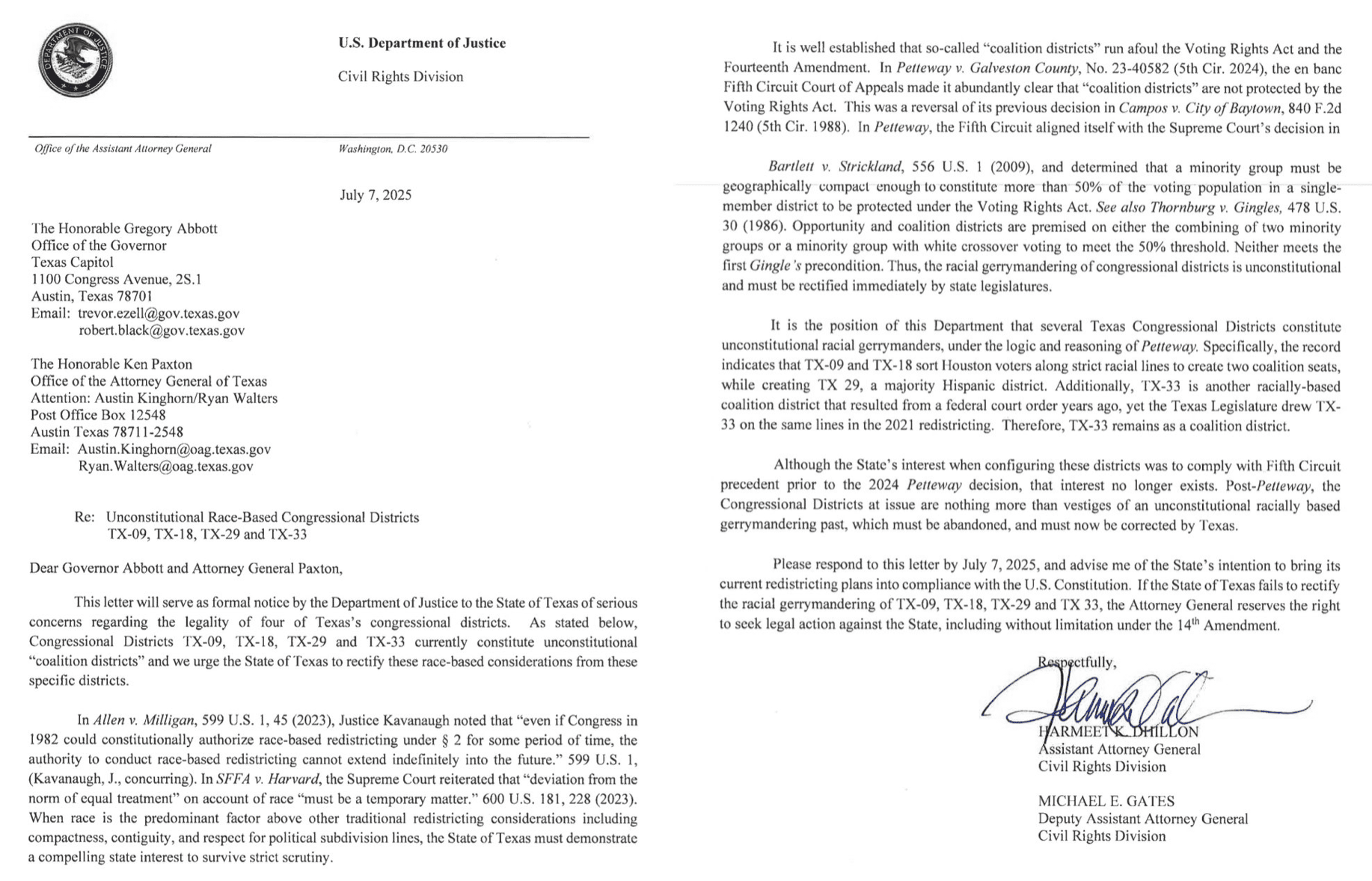
Democracy and / Human Rights are endangered / by the Trump Regime
LikeLike